
Acatenango Volcano Climb: Tips for Managing Steep Trails
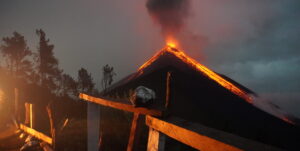
The Acatenango Volcano climb is one of the most memorable hiking experiences in Guatemala. With incredible mountain views, volcanic landscapes, and the chance to watch nearby Fuego Volcano erupt, this adventure attracts travelers from around the world. However, the hike is also physically demanding, especially for those who are not used to steep trails.
If you are planning to climb Acatenango, preparing for the terrain can make a significant difference. The trail includes long uphill sections, loose volcanic material, and uneven ground. In addition, the high elevation can make even a steady walking pace feel challenging.
Fortunately, you can make the experience more manageable with the right preparation and hiking techniques. In this guide, we will explain how to handle steep trails, maintain your energy, and prepare for the different challenges you may encounter during the Acatenango Volcano climb.
1. Understand Why the Acatenango Trail Is Challenging
Before starting your hike, it helps to understand what makes Acatenango difficult. The challenge is not simply the distance. Instead, the combination of steep slopes, changing terrain, and high elevation makes the climb demanding.
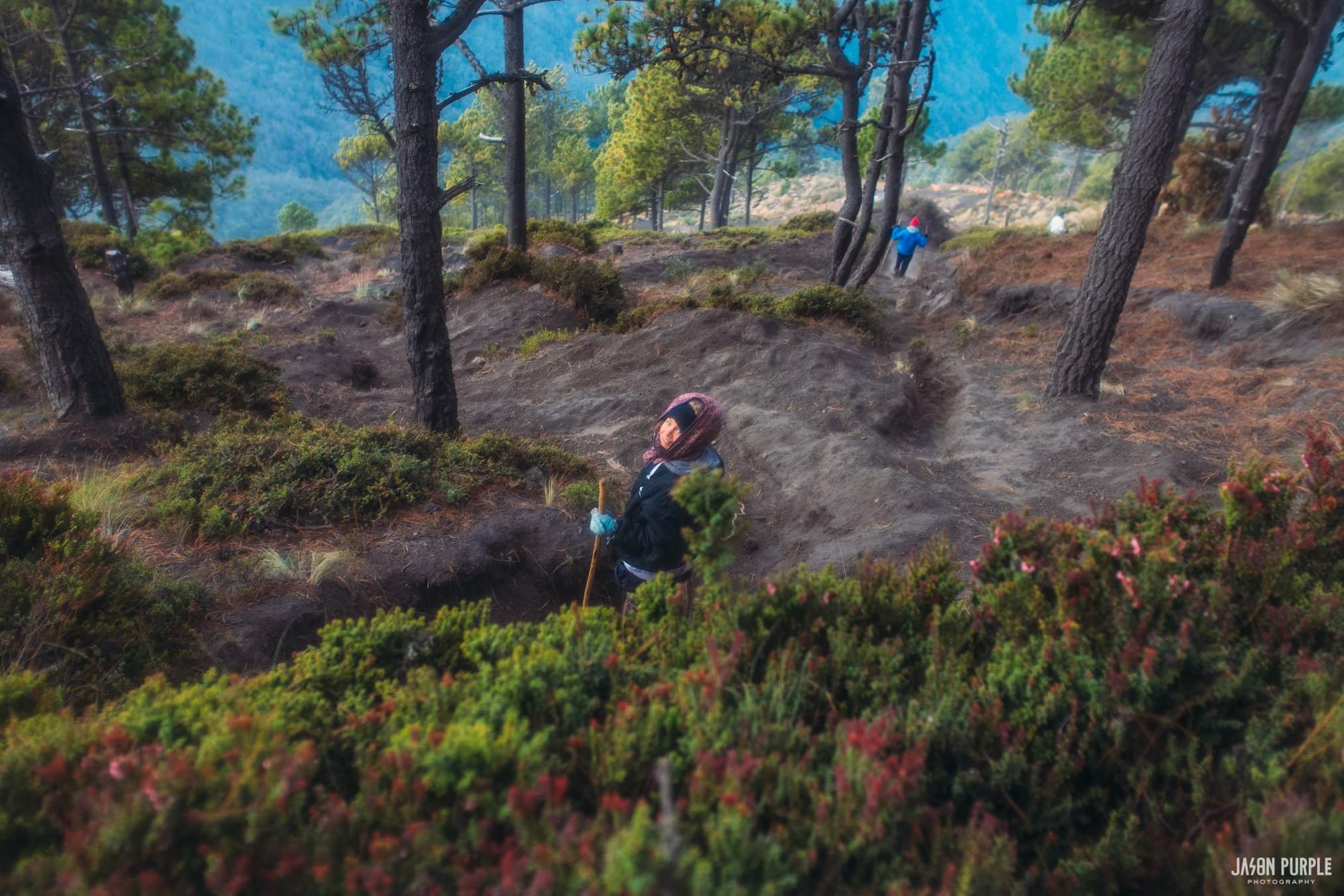
Some sections have firm dirt underfoot, while others contain loose gravel, volcanic ash, or small rocks. As a result, your feet may slip if you rush or take steps that are too large.
Furthermore, the trail gains elevation as you approach the upper slopes. At higher elevations, the air contains less oxygen per breath. Therefore, you may feel tired more quickly than you would during a hike at a lower altitude.
Understanding these conditions allows you to prepare properly. Rather than trying to reach the top as quickly as possible, focus on maintaining a steady pace and moving safely throughout the hike.
2. Start Slowly and Maintain a Steady Pace
One of the most common mistakes hikers make is starting too quickly. When you begin the Acatenango Volcano climb, you might feel excited and full of energy. However, using too much energy during the first part of the trail can make the later sections more difficult.
Instead, start at a comfortable pace that allows you to breathe without excessive effort. Take shorter steps and avoid trying to keep up with faster hikers.
Additionally, pay attention to how your body feels. If you notice that your breathing becomes unusually difficult or your legs start to feel heavy, slow down and take a break when needed.
A steady pace helps you conserve energy for the more demanding sections ahead. Remember that reaching the summit is not a race. Your goal should be to complete the hike as safely and comfortably as possible.
3. Take Short Steps on Steep Uphill Sections

Long strides may seem like a good way to make progress, but they can quickly tire your legs on a steep trail. Taking shorter steps helps you maintain balance and reduces the effort needed for each movement.
As you climb, place one foot firmly on the ground before moving the other. Try to keep your movements controlled instead of pushing yourself forward with every step.
You can also use a consistent rhythm. For example, take a few steps, check your breathing, and continue at a pace you can maintain.
Moreover, avoid leaning too far forward. A slight forward lean may feel natural on an incline, but excessive bending can strain your back and make balancing more difficult.
By shortening your stride and staying balanced, you can make the uphill sections feel more manageable.
4. Wear Hiking Shoes With Good Traction
Your footwear plays an important role in managing steep and uneven terrain. During the Acatenango Volcano climb, you may encounter dirt, loose stones, volcanic ash, and slippery ground.
Choose hiking shoes or boots that fit properly and have a durable outsole with good traction. Your footwear should also provide enough support and comfort for several hours of walking.
If possible, break in your hiking shoes before your trip. Wearing brand-new footwear on a long mountain hike can cause blisters and discomfort.
In addition, consider wearing moisture-wicking hiking socks. These can help reduce friction and keep your feet more comfortable during the climb.
Avoid footwear with worn-out soles or smooth bottoms. Poor traction can increase your risk of slipping, particularly on loose material.
Remember that no shoe can eliminate every hazard. You still need to watch your footing and adjust your steps to the terrain.
5. Use Hiking Poles for Better Balance
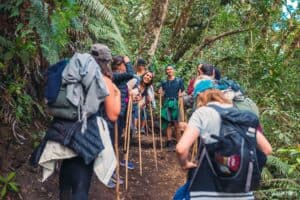
Hiking poles can be helpful when climbing or descending steep trails. They provide additional points of contact with the ground and can help you maintain balance on uneven surfaces.
During uphill sections, plant the poles firmly before stepping forward. Adjust their length to suit the terrain and your height.
On the descent, use the poles to support your balance while keeping your movements controlled. However, do not place all your weight on a pole that could slip on loose gravel or ash.
If you are new to hiking poles, practice using them before your trip. Poor technique can make walking awkward rather than easier.
Although poles can reduce some of the physical demands of hiking, they do not replace proper footwear, careful foot placement, or a manageable pace.
6. Be Careful on Loose Gravel and Volcanic Ash
Loose volcanic material can make certain parts of the Acatenango trail especially challenging. Gravel and ash may shift beneath your feet, making it harder to maintain traction.
When you encounter these surfaces, slow down and pay close attention to where you place your feet. Choose stable areas whenever possible, and avoid making sudden movements.
Additionally, leave enough space between yourself and other hikers. This reduces the chance of stepping on loose material disturbed by someone walking directly ahead of you.
If a section feels unstable, follow your guide’s instructions and use designated parts of the trail. Do not move onto the edge of a slope simply to find a shorter route.
During the descent, take extra care because loose material can move beneath your feet. Short, controlled steps are generally more manageable than long strides.
Most importantly, do not rush to catch up with other hikers. Maintaining control is more important than saving a few minutes.
7. Conserve Your Energy During the Acatenango Volcano Climb
The Acatenango Volcano climb can take several hours, depending on your starting point, pace, route, and itinerary. Therefore, managing your energy from the beginning is essential.
First, eat a suitable meal before starting the hike. Bring snacks that are easy to carry and provide energy throughout the day.
Second, drink water regularly rather than waiting until you feel extremely thirsty. Your hydration needs will depend on the weather, your activity level, and your individual circumstances.
Third, take breaks when necessary. Short rest periods can help you recover without allowing your muscles to become too stiff.
However, avoid taking on more weight than you can comfortably carry. Pack essential items while keeping your backpack manageable.
If your tour includes an overnight stay, remember that you will also need energy for the remainder of the itinerary. Conserving your strength early can make the later stages easier.
8. Prepare for the Effects of High Elevation

Acatenango rises to approximately 3,976 meters (13,045 feet) above sea level. At this elevation, physical activity can feel more demanding because less oxygen is available with each breath.
Even experienced hikers may find that they need to walk more slowly than usual. Therefore, do not assume that regular exercise automatically prepares you for the effects of altitude.
If possible, spend time acclimatizing at a lower elevation before attempting the climb. Avoid rushing upward, and follow your guide’s recommendations throughout the hike.
It is also important to recognize the warning signs of altitude sickness. These may include headaches, nausea, dizziness, unusual fatigue, and loss of appetite.
If you develop symptoms, tell your guide immediately. Do not try to push through worsening symptoms to reach the summit. Severe symptoms require urgent medical attention and descent.
Good physical preparation can help you manage the demands of hiking, but it cannot guarantee that you will avoid altitude sickness.
9. Learn How to Descend Safely
Many hikers focus on reaching the summit, but the descent also requires attention and energy. In fact, walking downhill can place considerable stress on your knees and increase the risk of slipping.
Start by keeping your steps short and controlled. Avoid running or taking large steps down steep sections.
Where possible, maintain a balanced stance and keep your knees slightly bent. Use your hiking poles if you have them, but make sure they have secure contact with the ground.
Pay attention to loose rocks and ash, especially when the trail becomes steeper. If another hiker is moving quickly, do not feel pressured to follow the same pace.
Furthermore, avoid walking too close to the person in front of you. Maintaining enough distance gives you more time to react if someone slips or stops suddenly.
If your legs feel tired, take a short break in a safe place. Fatigue can affect coordination, so managing it is particularly important during the final part of the hike.
10. Choose the Right Clothing for Changing Conditions
Weather conditions can change as you gain elevation. While the lower trail may feel warm, temperatures can drop considerably near the upper slopes and campsite.
Wear layers that you can add or remove as needed. A moisture-wicking base layer, insulating clothing, and a suitable outer layer can help you adjust to changing temperatures.
Bring a waterproof jacket if rain is possible, and protect your hands and head from the cold. During an overnight hike, warm clothing becomes particularly important because temperatures may fall after sunset.
Comfortable clothing also allows you to move more freely on steep terrain. Avoid garments that restrict your knees or make it difficult to maintain your balance.
Before leaving, check the latest weather forecast and follow any local guidance about trail conditions.
11. Follow Your Guide and Respect Trail Conditions
A knowledgeable local guide can help you navigate the route, understand trail conditions, and make sensible decisions during the climb.
Follow instructions about pacing, rest stops, and safe places to walk. If the trail becomes slippery or weather conditions deteriorate, your guide may recommend adjusting the itinerary.
You should also avoid leaving the established route. Taking shortcuts can expose you to unstable ground and increase the risk of accidents.
Remember that volcanic areas can present hazards beyond ordinary hiking challenges. Conditions and access restrictions may change depending on volcanic activity and local safety guidance.
For that reason, check current conditions before your trip and follow official instructions. Never approach restricted volcanic areas simply to get a closer view.
12. Prepare for Your Acatenango Adventure With Tropicana

Planning your hike involves more than preparing for steep trails. You also need to consider transportation, accommodation, equipment, and the overall itinerary.
Tropicana is a tour operator in Guatemala that offers tour packages to Acatenango and Pacaya volcanoes. Whether you are interested in an overnight mountain adventure or another volcanic hiking experience, you can explore the available options and plan a trip that suits your interests.
In addition to volcano tours, Tropicana offers shuttle services for travelers who want to explore other destinations within Guatemala or travel across the country. These services can help simplify transportation between destinations during your visit.
Tropicana also offers accommodation options in Antigua Guatemala. Staying in Antigua before your hike can give you time to organize your belongings and prepare for the journey. After your adventure, you can return to town, rest, and continue exploring the area’s historic streets, restaurants, and cultural attractions.
If you are unsure about transportation, accommodation, or which volcano tour best suits your plans, Tropicana can help you explore your options.
Contact Tropicana anytime if you need assistance planning your Guatemalan adventure.
Conclusion
The Acatenango Volcano climb is a rewarding adventure, but its steep trails require patience, preparation, and careful movement. From maintaining a steady pace to choosing suitable footwear, small decisions can make a meaningful difference throughout the hike.
Remember to take short steps on steep inclines, use hiking poles when appropriate, and pay attention to loose gravel and volcanic ash. Just as importantly, conserve your energy, prepare for high elevation, and approach the descent with the same care as the ascent.
Although preparation can help you manage the physical challenges, always listen to your body and follow your guide’s instructions. Your safety should take priority over reaching the summit.
Finally, planning your transportation and accommodation in advance can make your overall trip easier. With Tropicana’s Acatenango and Pacaya tour packages, shuttle services, and accommodation options in Antigua Guatemala, you can organize the different parts of your journey more conveniently.
Prepare well, respect the mountain, and enjoy the remarkable landscapes that make Guatemala such a memorable destination for adventure travelers.
 Previous Post