
Antigua Guatemala History: How the Colonial City Was Founded
Antigua Guatemala is one of the most beautiful and historically important destinations in Central America. Known for its colorful colonial buildings, cobblestone streets, historic churches, and stunning volcano views, this charming city attracts travelers from around the world.
However, beyond its beautiful scenery, Antigua has a fascinating past that dates back hundreds of years. Understanding Antigua Guatemala’s history helps visitors appreciate how the city developed, why it became the former capital of Guatemala, and how earthquakes transformed its architecture.
From its beginnings as a Spanish colonial settlement to its recognition as a UNESCO World Heritage Site, Antigua has experienced centuries of political, cultural, and architectural changes.
Today, its historic landmarks preserve stories of the past, making it an excellent destination for travelers interested in history, culture, and adventure.
How Was Antigua Guatemala Founded?
The history of Antigua Guatemala began during the Spanish colonial period in Central America.
In 1524, Spanish conquistador Pedro de Alvarado established the first Spanish capital in Guatemala, originally called Santiago de los Caballeros de Guatemala. However, the settlement experienced several challenges, including conflicts, natural disasters, and difficult living conditions.
As a result, Spanish authorities relocated the settlement several times.
In 1543, they established a new capital in the Panchoy Valley. This settlement eventually became known as Antigua Guatemala.
Its location offered fertile agricultural land and a suitable environment for establishing an administrative center. Surrounded by mountains and volcanoes, the valley also provided natural beauty and opportunities for trade.
Over time, Santiago de los Caballeros developed into one of the most important Spanish colonial cities in Central America.
Government officials, religious leaders, merchants, and wealthy families established their homes and businesses there. Churches, monasteries, schools, and public buildings gradually transformed the settlement into a thriving colonial city.
Why Was Antigua Guatemala the Former Capital?
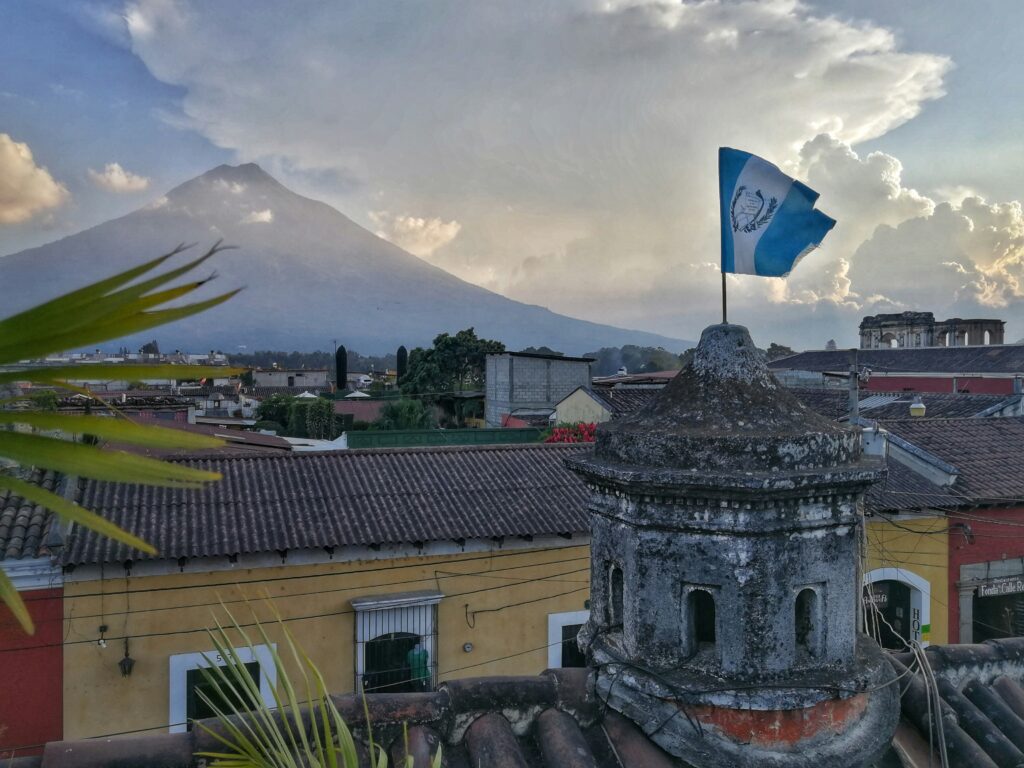
For more than two centuries, Antigua Guatemala served as the capital of the Kingdom of Guatemala, an administrative territory under Spanish colonial rule.
During this period, the city became a major political, religious, educational, and economic center.
Its influence extended beyond present-day Guatemala because colonial authorities managed several territories in Central America from the city.
Religious institutions also played an important role in its development. Catholic orders established churches, convents, monasteries, and educational institutions throughout the settlement.
Meanwhile, merchants traded agricultural products and other goods with surrounding communities.
As the population grew, Antigua developed impressive public buildings, paved streets, plazas, and large colonial residences.
However, this period of growth eventually faced one of the most devastating natural disasters in the city’s history.
The 1773 Santa Marta Earthquake: A Turning Point
One of the most important events in Antigua Guatemala’s history was the series of earthquakes that struck the city in July 1773.
Known as the Santa Marta earthquakes, these powerful tremors caused extensive damage throughout the colonial capital.
Churches, government buildings, monasteries, and private homes suffered severe destruction. Some structures collapsed completely, while others became unsafe to occupy.
The damage raised serious concerns about rebuilding the capital in the same location.
Consequently, Spanish authorities decided to relocate the capital to the Ermita Valley. This new settlement eventually developed into present-day Guatemala City.
The relocation began in the late 1770s, although the transition took several years.
Many residents moved to the new capital, while others remained in the old city. As a result, the former capital gradually lost much of its political and economic importance.
Nevertheless, its damaged churches, convents, and colonial buildings remained standing as reminders of its remarkable past.
Today, these historic ruins are among Antigua’s most interesting attractions.
Why Is Antigua Guatemala Known as the City of Ruins?
After the capital moved, Antigua experienced a period of decline. Many buildings remained abandoned, while others suffered additional damage from earthquakes and natural weather conditions.
However, the city’s historical structures were never completely forgotten.
Today, visitors can explore several impressive ruins that showcase the architectural achievements of the colonial period.
Some notable historical sites include:
- Convento de las Capuchinas: A former convent famous for its circular structure, courtyards, and historic rooms.
- Convento de Santa Clara: A religious complex featuring beautiful stone walls, arches, and open courtyards.
- Antigua Guatemala Cathedral: A historic religious landmark that reflects the city’s importance during the colonial period.
- San Francisco Church: An important religious site associated with Saint Pedro de San José de Betancur.
These structures help visitors understand how Antigua developed and how natural disasters transformed its architectural landscape.
The Architecture of Antigua Guatemala
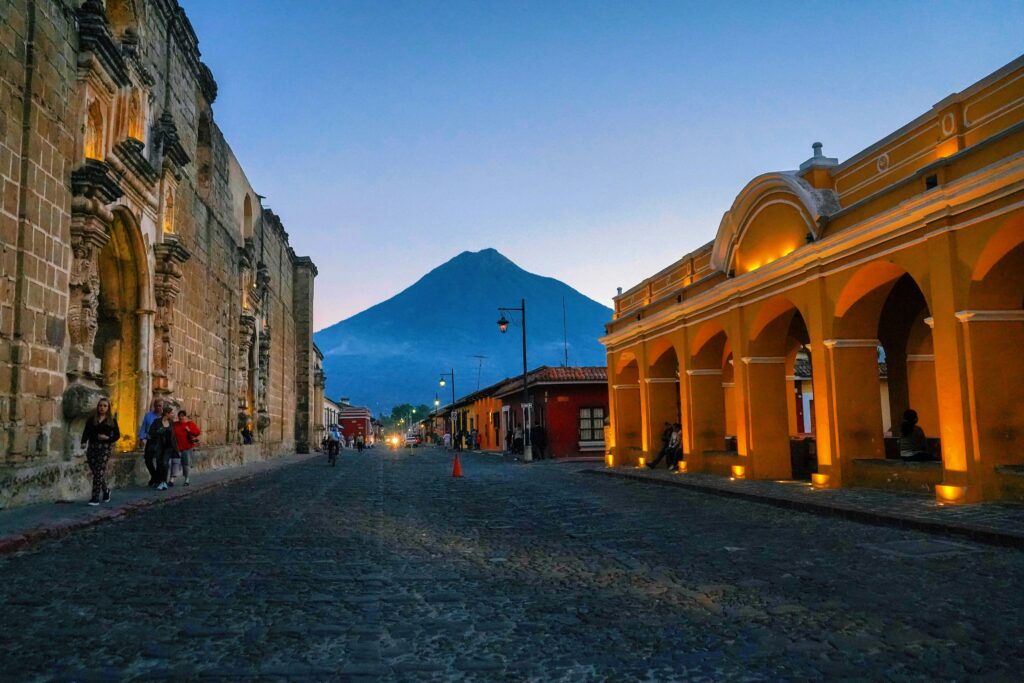
One of the most recognizable features of Antigua is its beautiful colonial architecture.
The city combines Spanish colonial design with local building traditions. Many historic structures feature thick walls, decorative facades, large courtyards, wooden doors, and traditional tiled roofs.
Because earthquakes frequently affected the region, builders developed architectural techniques intended to improve the resistance of buildings to seismic activity.
Several landmarks stand out when exploring the city.
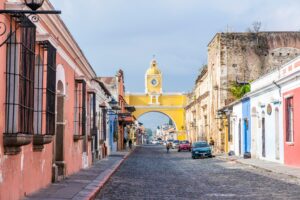
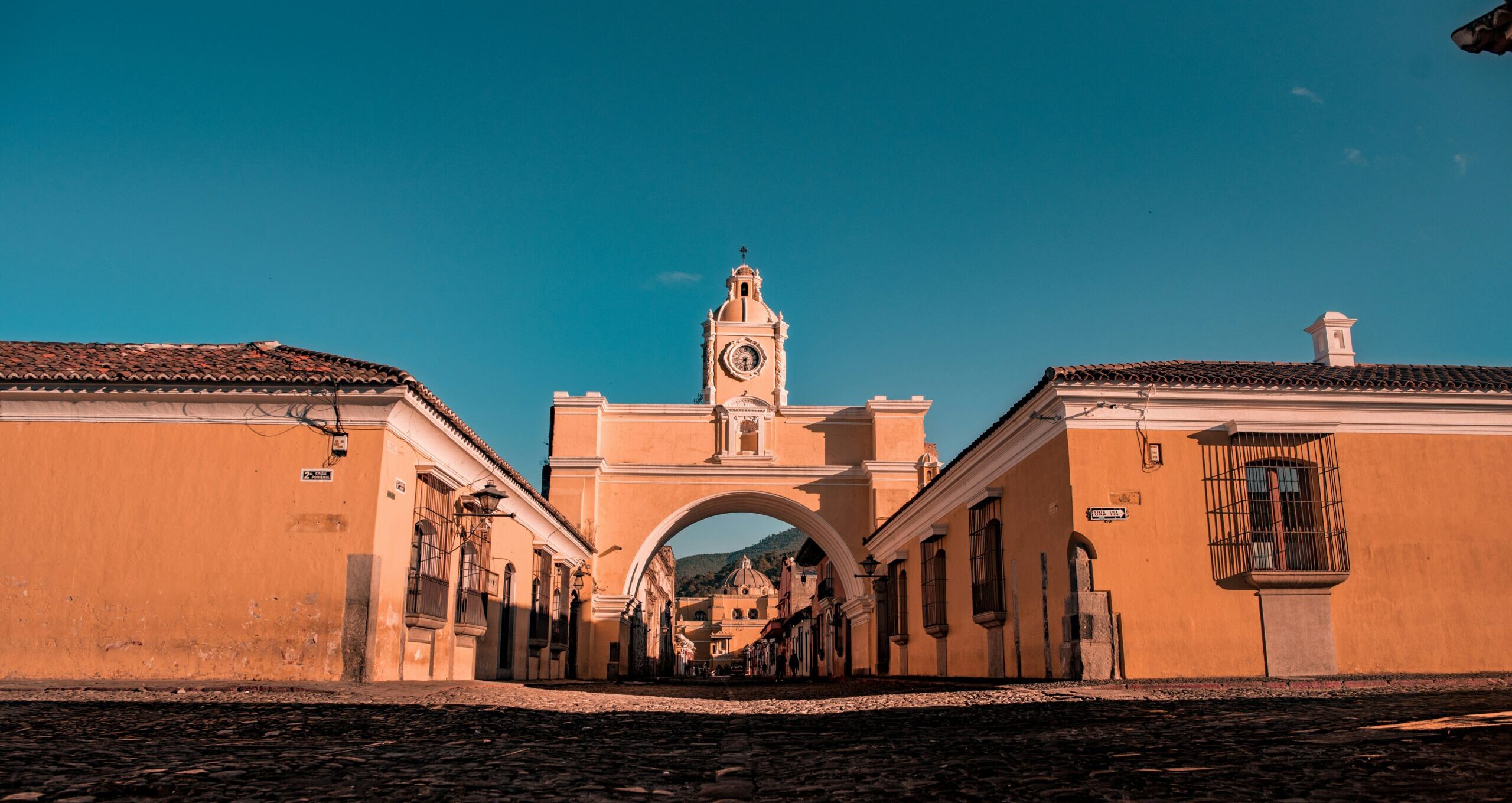
Santa Catalina Arch
The famous Santa Catalina Arch is one of Antigua’s most photographed attractions. Built during the colonial period, it connected two sections of a convent. It also allowed nuns to cross the street without entering public areas.
Iglesia de La Merced
This beautiful yellow church is famous for its detailed Baroque facade and impressive architectural design. It remains one of the city’s most recognizable religious landmarks.
Palacio de los Capitanes Generales
This historic building once served as an important center of Spanish colonial administration. Today, it stands beside Central Park and reflects Antigua’s former political importance.
These landmarks make walking through Antigua feel like stepping back in time.
How Religion Shaped Antigua Guatemala
Religion played a major role in the development of Antigua.
During Spanish colonial rule, Catholicism influenced education, architecture, social activities, and everyday life. Religious orders established churches, monasteries, convents, and schools throughout the city.
Even today, religious traditions remain an important part of Antigua’s cultural identity.
One of the most famous celebrations is Semana Santa, or Holy Week. Every year, thousands of locals and international visitors gather in Antigua to witness its impressive religious processions.
During this celebration, residents create colorful carpets called alfombras using flowers, colored sawdust, fruits, and other materials.
These designs decorate the streets before religious processions pass over them.
This tradition reflects the city’s strong religious heritage and the cultural practices that have continued across generations.
The Influence of Maya Culture on Antigua Guatemala
Although Spanish colonialism strongly influenced Antigua’s development, the city’s history also connects to the Indigenous Maya communities of Guatemala.
The Maya people lived in the region long before Spanish colonization. Their traditions, languages, craftsmanship, and agricultural knowledge continue to influence Guatemalan culture.
During the colonial period, Spanish settlers introduced new religious practices, political systems, and architectural styles. However, Indigenous communities maintained many of their cultural traditions despite these changes.
This cultural blending influenced local food, textiles, art, celebrations, and everyday customs.
Today, visitors can experience this heritage by exploring local markets, purchasing traditional textiles, tasting Guatemalan dishes, and interacting with local artisans.
Antigua is therefore more than a colonial city. It is also a place where different cultural influences have shaped Guatemala’s identity.
How Antigua Guatemala Preserved Its Historical Heritage
Despite earthquakes, political changes, and periods of decline, Antigua eventually became an important destination for historical preservation.
In 1979, UNESCO designated Antigua Guatemala as a World Heritage Site.
This recognition highlighted the city’s outstanding historical and architectural importance. Its colonial buildings, religious structures, urban layout, and surviving ruins represent an important chapter in Central American history.
The UNESCO designation also helped increase international awareness of Antigua and encouraged efforts to protect its historic character.
Today, preservation remains essential because earthquakes and natural weather conditions continue to threaten older structures.
As visitors explore the city, they can see how conservation efforts help maintain its unique architectural identity.
Best Historical Places to Visit in Antigua Guatemala
If you want to experience Antigua’s history firsthand, consider adding these landmarks to your itinerary.
- Santa Catalina Arch: A famous colonial landmark and one of the best places to photograph Antigua’s historic streets.
- Convento de las Capuchinas: Explore its historic architecture, courtyards, and former convent facilities.
- Antigua Guatemala Cathedral: Discover the remains of an important religious structure near Central Park.
- Iglesia de La Merced: Admire its beautiful yellow facade and detailed Baroque architecture.
- Palacio de los Capitanes Generales: Learn about the city’s former role as the administrative capital of the Spanish colonial region.
Many of these attractions are within walking distance of Central Park, making it easy to explore the historic center on foot.
Consider joining a guided walking tour if you want to learn more about the stories behind each landmark.
Experience Antigua Guatemala with Tropicana
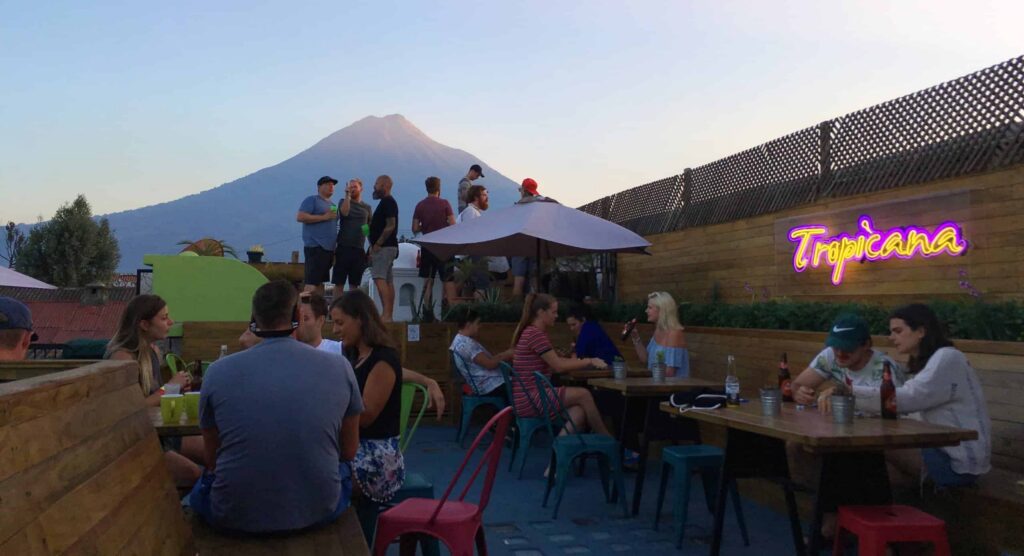
Exploring Antigua Guatemala is a wonderful way to discover the country’s history, but your adventure does not have to end in the colonial city.
Tropicana is a tour operator in Guatemala that helps travelers discover the country’s historical destinations, volcanoes, and other beautiful places.
If you are staying in Antigua, you can combine cultural sightseeing with exciting outdoor activities.
Here is how Tropicana can help make your trip easier:
- Acatenango Volcano Tours: Experience an unforgettable hiking adventure with opportunities to see Volcán de Fuego’s spectacular eruptions from the Acatenango area.
- Pacaya Volcano Tours: Discover one of Guatemala’s famous active volcanoes and enjoy an exciting hiking experience.
- Shuttle Services: Travel conveniently to other destinations within Guatemala or across the country’s borders.
- Accommodation in Antigua: Stay at Tropicana’s accommodation options in Antigua Guatemala before or after your volcano adventure.
Whether you want to explore colonial landmarks, hike a volcano, or visit other destinations around Guatemala, Tropicana can help you organize your journey.
Contact Tropicana anytime if you need assistance planning your Guatemalan adventure!
Frequently Asked Questions About Antigua Guatemala History
- When was Antigua Guatemala founded?
Antigua Guatemala was established as the Spanish colonial capital in the Panchoy Valley in 1543. It became an important political, religious, and economic center in Central America.
- Why was Antigua Guatemala originally called Santiago de los Caballeros?
The name Santiago de los Caballeros de Guatemala came from the Spanish colonial settlement established in the 16th century. Santiago refers to Saint James, the patron saint of Spain.
- Why did Guatemala move its capital from Antigua?
The capital moved following the devastating Santa Marta earthquakes of 1773. Spanish authorities decided to establish a new capital in the Ermita Valley, where Guatemala City eventually developed.
- Is Antigua Guatemala a UNESCO World Heritage Site?
Yes. UNESCO recognized Antigua Guatemala as a World Heritage Site in 1979 because of its exceptional colonial architecture, historical importance, and cultural heritage.
- What is Antigua Guatemala famous for?
Antigua is famous for its colonial architecture, historic churches, cobblestone streets, Semana Santa celebrations, colorful buildings, and beautiful views of surrounding volcanoes.
- Can you explore Antigua Guatemala’s historical landmarks on foot?
Yes. Many of the city’s most famous historical attractions are within walking distance of Central Park. Visitors can explore churches, convents, museums, and colonial buildings without needing a vehicle.
Final Thoughts: Discover the History Behind Antigua Guatemala
The history of Antigua Guatemala tells a story of Spanish colonization, religious traditions, architectural achievements, and natural disasters.
From its establishment as the colonial capital in 1543 to the devastating earthquakes of 1773, the city has experienced significant changes throughout its history. Nevertheless, its historic buildings, cobblestone streets, and cultural traditions continue to preserve its unique identity.
Today, Antigua offers more than beautiful scenery. It gives travelers an opportunity to understand Guatemala’s past while experiencing its vibrant culture and natural beauty.
Whether you are interested in history, architecture, local traditions, or outdoor adventures, Antigua is an excellent place to begin your journey.
And if you want to explore beyond the city, Tropicana can help you experience more of Guatemala through volcano tours, shuttle services, and accommodation options in Antigua.
Plan your visit, discover the stories behind the colonial streets, and make unforgettable memories in Guatemala!
 Previous Post
 Next Post