
Acatenango Overnight Hike Difficulty: Can Beginners Do It?
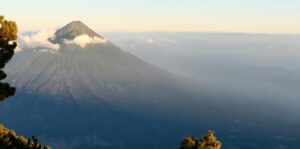
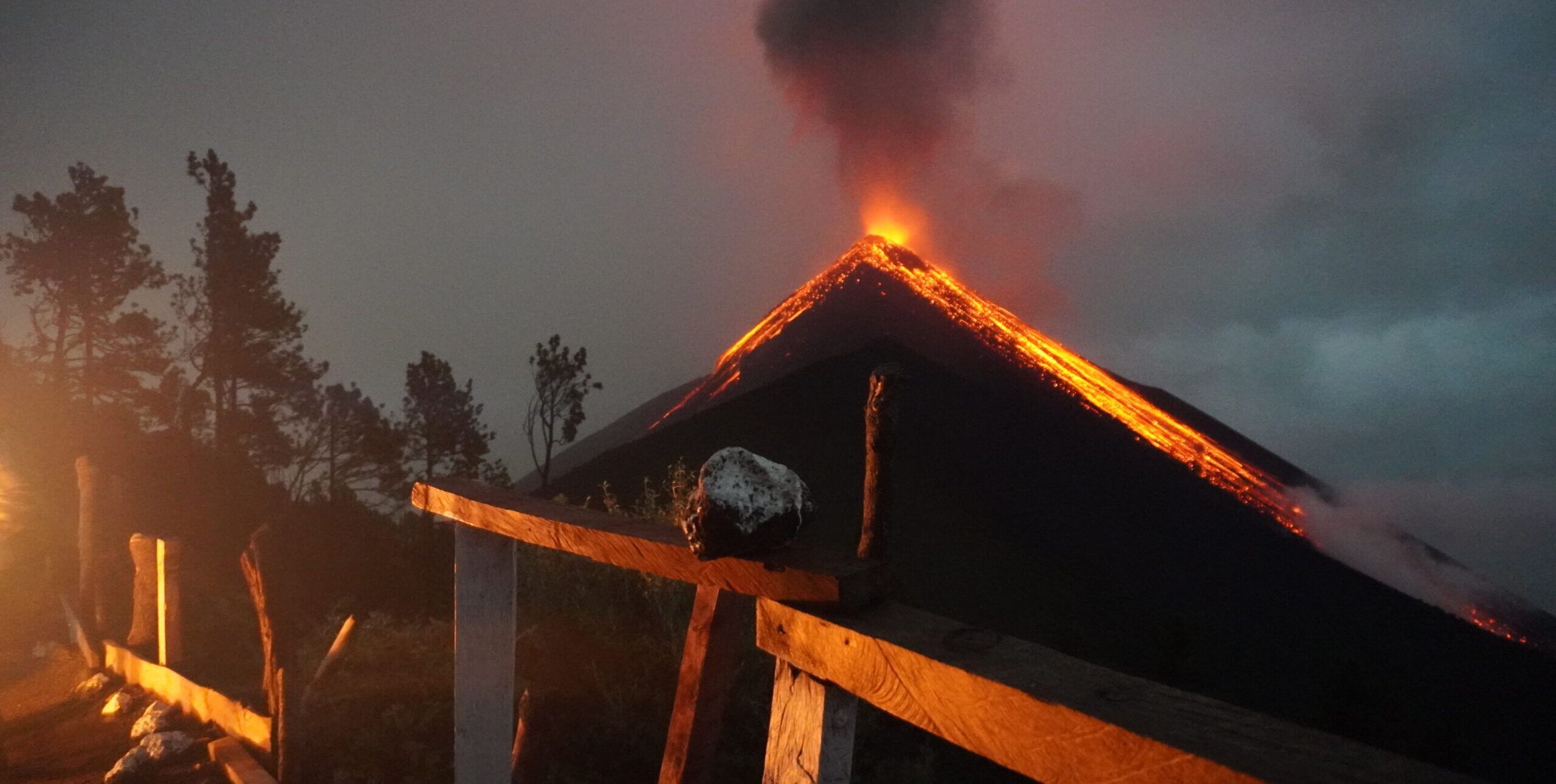
Hiking Acatenango Volcano is one of the most memorable adventures you can experience in Guatemala. The mountain offers impressive views of the surrounding landscape and, when conditions allow, the chance to see nearby Fuego Volcano erupting from a distance. For many travelers, spending a night on the mountain makes the experience even more special.
However, before booking an Acatenango hike overnight experience, you might have one important question: Is the hike too difficult for beginners?
The short answer is that beginners can complete the hike if they prepare properly, understand the physical challenges, and choose an itinerary that suits their abilities. Nevertheless, Acatenango is not an easy walk. The trail includes steep sections, loose volcanic gravel, and a significant climb to high elevations. Cold temperatures and changing weather can also make the journey more demanding.
In this guide, we will explain how difficult the overnight Acatenango hike can be, what beginners should expect, and how to prepare for the adventure. We will also explain how Tropicana can help you plan your Guatemala trip with volcano tours, shuttle services, and accommodation options in Antigua Guatemala.
How Difficult Is the Acatenango Overnight Hike?
The Acatenango overnight hike is generally considered challenging because of its steep trail, high elevation, and several hours of uphill walking.
Acatenango Volcano reaches approximately 3,976 meters (13,045 feet) above sea level. During a typical overnight excursion, hikers climb toward a campsite below the summit, spend the night on the mountain, and descend the following day. Exact routes and schedules vary by tour operator and current trail conditions.
The difficulty does not come from one factor alone. Instead, several challenges combine to make the hike physically demanding.
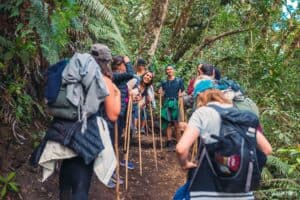
First, the trail climbs steadily through different types of terrain. Some sections pass through forested areas, while others feature loose volcanic gravel that can make walking more difficult. As you gain elevation, even a familiar walking pace may begin to feel tiring.
Second, the altitude can affect your body. At higher elevations, the air contains less oxygen per breath, which can cause fatigue, headaches, dizziness, or shortness of breath. Even people who exercise regularly may find the climb harder than expected.
Finally, the weather can change quickly. Temperatures at the campsite may be much colder than in Antigua Guatemala, especially after sunset and before sunrise.
Overall, the Acatenango overnight hike is challenging but achievable for some beginners who prepare well. However, fitness alone cannot guarantee a successful hike because altitude, weather, and individual health also play important roles.
Can Beginners Complete an Overnight Acatenango Hike?
Yes, some beginners can complete the hike. You do not necessarily need years of hiking experience to enjoy an Acatenango adventure. However, you should understand your physical limits and prepare before departure.
If you regularly walk, climb stairs, or participate in moderate exercise, you may find it easier to prepare for the trail. On the other hand, if you rarely exercise, the long uphill climb could feel especially difficult.
Before booking, consider the following questions:
- Can you walk for several hours with breaks?
- Can you comfortably climb stairs or walk uphill?
- Are you prepared to carry a backpack over uneven terrain?
- Can you tolerate cold weather while resting outdoors?
- Are you comfortable spending the night in basic mountain camping conditions?
Your answers can help you decide whether the experience suits you.
However, do not rely on fitness alone. People can experience altitude sickness regardless of their age or physical condition. If you have a medical condition that could affect strenuous exercise at high altitude, consult a healthcare professional before attempting the hike.
Beginners should also choose a reputable tour operator, ask about the route and pace, and understand what assistance is available during the excursion.
Most importantly, do not feel pressured to reach the summit or campsite if you are struggling. Your safety matters more than completing the hike.
What Makes the Acatenango Hike Challenging?

Understanding the main challenges can help you prepare more effectively. Here are the factors that beginners should consider before starting an Acatenango hike overnight.
1. Steep Uphill Terrain
One of the biggest challenges is the long uphill climb.
The trail rises significantly from the starting point, requiring hikers to work against gravity for several hours. Although the path includes different terrain, some sections can feel especially demanding because of the slope.
Loose gravel can also make each step less stable. You may find yourself taking shorter steps and moving more slowly than you normally would.
To prepare, practice walking uphill before your trip. If possible, use local hills or staircases to build strength and endurance.
During the actual hike, maintain a steady pace rather than trying to keep up with faster hikers. Taking short breaks can help you manage your energy throughout the climb.
2. High Altitude
Altitude is another major factor.
At nearly 4,000 meters above sea level, Acatenango is much higher than Antigua Guatemala. As you climb, your body receives less oxygen with each breath, and physical activities can become more demanding.
You might notice that your breathing becomes faster, your legs tire more quickly, or you need additional breaks.
Some hikers also experience altitude sickness, which can cause headaches, nausea, dizziness, and unusual fatigue. Severe symptoms may include confusion, difficulty walking straight, or shortness of breath while resting.
To reduce your risk, allow time to adjust to the elevation when possible, maintain a comfortable pace, and follow your guide’s instructions.
Drink water regularly, but do not assume that hydration alone prevents altitude sickness.
If you develop symptoms that suggest altitude sickness, tell your guide immediately. Worsening symptoms may require stopping the ascent and descending. Severe symptoms need urgent medical attention.
3. Cold Temperatures at Night
Antigua Guatemala often feels much warmer than Acatenango’s upper slopes.
After reaching the campsite, you may spend several hours outdoors while temperatures drop. Wind can make the conditions feel even colder, particularly after sunset and before sunrise.
Beginners sometimes underestimate this part of the experience because they prepare for the uphill walk but forget about the overnight stay.
Pack several layers of clothing, including a warm jacket, thermal base layers, gloves, warm socks, and a hat. A suitable sleeping bag and insulated sleeping arrangements are also important.
Ask your tour operator which equipment the package provides before purchasing or renting additional items.
Staying warm will not make the hike easy, but it can make the overnight experience more comfortable.
4. Loose Volcanic Gravel
Certain sections of the trail contain loose volcanic material that shifts underfoot.
This terrain can make climbing tiring because your feet may slide backward slightly with each step. During the descent, loose gravel can also increase the risk of slipping.
Wear hiking boots or sturdy hiking shoes with good traction. Choose footwear that fits properly and has already been tested on longer walks.
Walking slowly and maintaining your balance is more important than moving quickly. Follow the route recommended by your guide, and avoid taking shortcuts down steep slopes.
5. Carrying a Backpack
Your backpack can affect how difficult the climb feels.
Carrying extra clothing, water, food, and personal belongings adds weight to every step. A heavy backpack can also increase fatigue and make it harder to maintain your balance.
Before departure, ask your tour operator what you need to carry and what equipment they provide.
Pack only essential items, distribute the weight evenly, and make sure your backpack fits comfortably.
If your tour offers porter services or equipment-carrying options, ask about availability and any additional charges.
How Long Does an Overnight Acatenango Hike Take?
Most traditional overnight Acatenango excursions take approximately two days, although schedules differ between tour operators.
The first day generally involves transportation to the trailhead, registration or other required arrangements, and several hours of uphill hiking. After reaching the designated campsite, hikers can rest and prepare for the evening.
Some itineraries offer an optional additional hike toward a viewpoint facing Fuego Volcano. This activity may involve further climbing and can increase the physical demands of the trip. Availability depends on current safety restrictions and the tour operator’s itinerary.
After spending the night at camp, hikers may wake early to enjoy sunrise views if the weather allows. They then descend the mountain and return to their transportation.
The total walking time depends on your pace, route, weather, and rest breaks. Beginners should avoid assuming that they can finish within a fixed time.
Instead, choose an itinerary that allows reasonable breaks and provides clear information about the expected walking duration.
How to Prepare for an Acatenango Hike Overnight
Preparation can make a significant difference, especially if this is your first major mountain hike.
You do not need to become an experienced mountaineer before visiting Acatenango. However, improving your endurance and preparing for the conditions can help you feel more confident.
Start Walking Regularly
Begin preparing several weeks before your planned trip.
Take regular walks and gradually increase your distance. Once comfortable, include hills or stairs to build strength and endurance.
If you already exercise, add activities that involve sustained walking rather than relying entirely on short, intense workouts.
The goal is to help your body handle several hours of movement, not to achieve a particular speed.
Practice With a Backpack
Try walking with a backpack similar in weight to the one you expect to carry.
Start with a light load and increase it gradually if you feel comfortable. This helps you understand how the weight affects your shoulders, back, and legs.
However, avoid carrying unnecessary equipment simply to make your training harder.
Break In Your Hiking Shoes
Do not wear brand-new hiking boots for the first time on Acatenango.
Use them during training walks so you can identify uncomfortable pressure points before your trip. Properly fitted shoes can reduce the risk of blisters and improve stability.
Bring suitable socks and consider packing blister-care supplies.
Prepare for Cold Weather
Check the equipment list supplied by your tour operator.
Bring warm layers and rain protection, and confirm whether sleeping bags, tents, and other camping equipment are included.
Remember that weather conditions on the mountain can differ greatly from those in Antigua.
Get Enough Rest
Rest is an important part of preparation.
Try to get sufficient sleep before departure, eat regular meals, and avoid starting the hike while exhausted.
If possible, spend some time in Antigua before your excursion so you can organize your belongings and arrive at the pickup point without rushing.
However, spending a night in Antigua does not guarantee that your body has adjusted to Acatenango’s much higher elevation.
What Should Beginners Pack for an Overnight Hike?
Your packing list will depend on the tour package, weather, and current trail conditions. Nevertheless, most beginners should consider these essentials:
- Hiking boots or shoes with good traction
- Warm base layers and insulating clothing
- A wind-resistant and waterproof outer layer
- Gloves, a warm hat, and extra socks
- A comfortable backpack
- Drinking water and suitable snacks
- Sunscreen and sunglasses
- A headlamp with spare batteries
- Personal medication and basic first-aid supplies
- A phone and portable power bank
- A sleeping bag, if your tour does not provide one
Before packing, confirm which items are included in your booking.
You should also ask about drinking water, meals, luggage storage, and equipment rentals. This helps you avoid carrying unnecessary weight.
Is an Overnight Acatenango Hike Better Than a Day Hike?
For many travelers, the overnight experience offers more time to enjoy the mountain.
An overnight excursion may include a sunset at the campsite, time to rest, and an opportunity to see Fuego Volcano after dark if activity and visibility allow. Some itineraries also include an early-morning viewpoint.
However, staying overnight means you must prepare for cold temperatures and basic camping conditions.
A day hike may suit travelers with limited time, but it can still be physically demanding. The actual difficulty depends on the route, walking duration, and schedule.
Neither option is automatically better for beginners. Choose based on your fitness, comfort with camping, available time, and the details of the itinerary.
Ask your tour operator to explain the expected walking distance, elevation gain, rest breaks, and equipment before making a decision.
Plan Your Acatenango Adventure With Tropicana
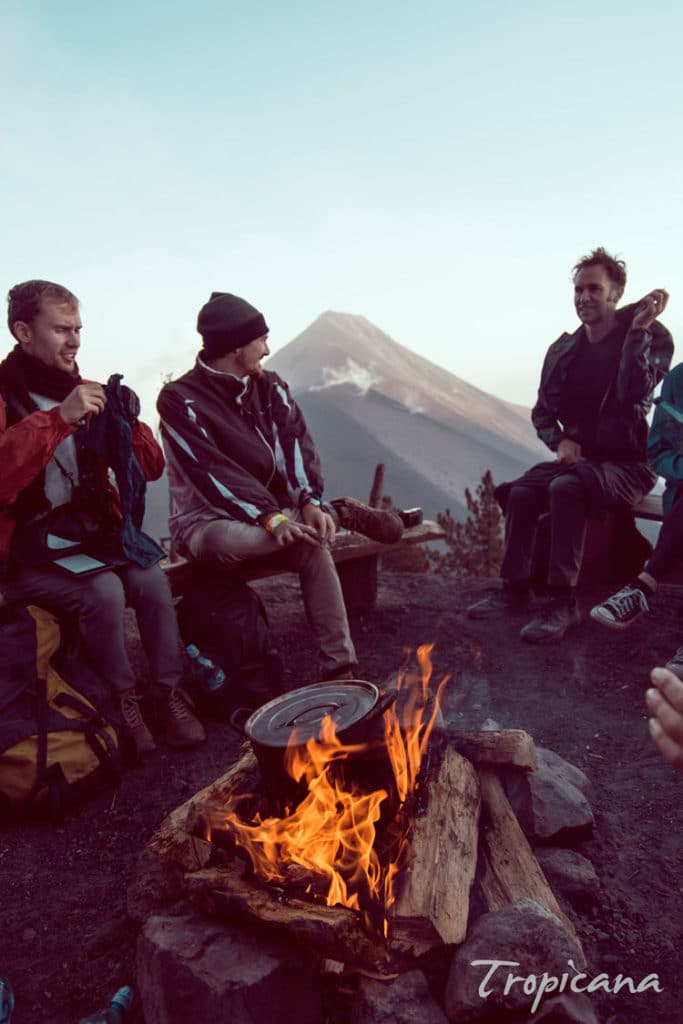
Planning an Acatenango trip involves more than choosing a hiking date. You may also need transportation, accommodation, camping equipment, and arrangements for exploring other destinations in Guatemala.
Tropicana is a tour operator in Guatemala offering tour packages to Acatenango and Pacaya volcanoes. If you are interested in exploring Guatemala’s volcanic landscapes, you can contact our team to learn about available packages and the arrangements included in each excursion.
For beginners, asking questions before booking is especially important. Find out about the expected hiking pace, available guides, equipment, meals, camping arrangements, and any optional activities. You should also confirm whether the itinerary is suitable for your experience and fitness level.
In addition to volcano tours, Tropicana offers shuttle services for travelers who want to visit other destinations within Guatemala or travel across Guatemala. Planning your transportation ahead of time can make it easier to connect your volcano adventure with the rest of your trip.
Tropicana also offers accommodation options in Antigua Guatemala, where you can stay before or after your hike. Staying in Antigua gives you time to prepare for the mountain, explore the city, and rest after returning from your excursion.
Contact Tropicana anytime if you need help planning your Guatemalan adventure. Our team can help you explore available tours, shuttle services, and accommodation options that fit your travel plans.
Before confirming your booking, make sure the hike is operating and permitted under current volcanic safety restrictions. Availability and itineraries may change when authorities issue warnings or close access to the mountain.
Frequently Asked Questions
Is Acatenango too difficult for someone who has never hiked before?
Not necessarily. Some beginners complete the hike after preparing with regular walking and endurance training. However, the steep trail, high altitude, and cold weather make it a challenging experience. Assess your fitness honestly and choose a suitable itinerary.
How fit do you need to be for an overnight Acatenango hike?
You should be comfortable with several hours of uphill walking over uneven terrain. Building cardiovascular endurance and leg strength can help, but fitness does not eliminate the risk of altitude sickness.
Can I hike Acatenango without training?
Although some people may manage the hike without specific training, it is not a good idea to rely on luck. Preparing with regular walks, hills, or stairs can help you understand your limits and improve your endurance.
What is the hardest part of the Acatenango hike?
Many hikers find the sustained uphill climb and loose volcanic gravel particularly challenging. High altitude can make the effort more demanding, while cold temperatures add another challenge during the overnight stay.
Do I need a guide for an overnight Acatenango hike?
Guided tours are a common way to arrange the hike and can help with transportation, route planning, and logistics. Check current access rules and guiding requirements before planning an independent excursion.
Can I see Fuego Volcano erupting during the overnight hike?
You may see volcanic activity from permitted viewpoints when conditions allow. However, eruptions and clear views are never guaranteed. Follow official safety instructions and never approach restricted areas for a better view.
Final Thoughts
The Acatenango overnight hike is challenging, but beginners who prepare carefully may be able to complete it. The key is to understand what the mountain demands, train beforehand, bring suitable equipment, and choose an itinerary that matches your abilities.
Take the uphill climb slowly, prepare for cold weather, and pay attention to how your body responds to the altitude. If you experience concerning symptoms, inform your guide and follow their safety advice.
Most importantly, do not treat reaching the summit or campsite as the only measure of success. Making safe decisions is part of a successful mountain adventure.
If you are planning an Acatenango hike overnight experience, Tropicana can help you explore available Acatenango and Pacaya tour packages, shuttle services, and accommodation options in Antigua Guatemala.
Contact Tropicana to discuss your plans and prepare for your next Guatemalan adventure.
 Previous Post