
Can You See Volcan Fuego from Antigua Guatemala?
Antigua Guatemala is famous for its beautiful colonial streets, colorful buildings, historic churches, and surrounding volcanoes. However, one of the most fascinating natural attractions in the area is Volcan Fuego. Known for its frequent eruptions and impressive volcanic displays, Fuego attracts travelers, photographers, and adventure seekers from around the world.
But can you actually see Volcan Fuego from Antigua Guatemala?
Yes! You can see Volcan Fuego from certain locations in Antigua Guatemala when weather conditions are clear. However, visibility depends on cloud cover, weather, and your viewing location. Sometimes, you may even spot smoke rising from its summit or see signs of volcanic activity in the distance.
Whether you are visiting Antigua for a few days or planning an overnight Acatenango hike, understanding where and when to see Fuego can make your trip more memorable.
In this guide, we will explain where to see Volcan Fuego, what makes it special, and how you can include this incredible volcano in your Guatemala adventure.
Where Is Volcan Fuego Located?
Volcan de Fuego is located in southern Guatemala, near the departments of Chimaltenango, Escuintla, and Sacatepéquez. It forms part of Guatemala’s volcanic landscape and sits close to another famous volcano, Acatenango.
The volcano stands approximately 3,763 meters (12,346 feet) above sea level. Its name, Fuego, means “fire” in Spanish, which perfectly describes its frequent volcanic activity.
Fuego is located southwest of Antigua Guatemala. Although you cannot see it from every street or neighborhood, certain elevated areas and open viewpoints provide opportunities to admire its impressive shape.
The nearby Acatenango Volcano also offers some of the best views of Fuego. In fact, many travelers choose to hike Acatenango specifically to watch Fuego’s eruptions from a safer, designated viewing area.
Because the two volcanoes stand close together, they create one of the most recognizable landscapes in Guatemala.
Can You See Volcan Fuego from Antigua?
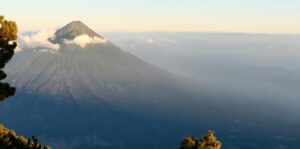
Yes, you can sometimes see Volcan Fuego from Antigua Guatemala, especially when the sky is clear and clouds do not cover the surrounding mountains.
However, seeing the volcano depends on several factors. Antigua has a pleasant climate, but clouds, rain, mist, and changing weather conditions can affect visibility throughout the day.
Some locations offer better views than others. Elevated viewpoints, rooftops, and open spaces can provide a clearer look toward the surrounding volcanoes.
Keep in mind that Fuego may appear relatively distant from the city. Therefore, you might see its volcanic summit or an eruption plume rather than clearly observing lava flowing down its slopes.
If you want a closer and more dramatic view, consider joining an Acatenango overnight hike. From designated viewpoints along the mountain, visitors can observe Fuego’s volcanic activity across the valley.
Best Places to See Volcan Fuego Near Antigua
If you want to admire Fuego during your stay in Antigua, consider exploring different viewpoints around the city and nearby mountains.
Here are some places worth considering.
1. Cerro de la Cruz

Cerro de la Cruz is one of the most popular viewpoints in Antigua Guatemala. It sits above the city and provides a beautiful panoramic view of Antigua’s colonial buildings and surrounding mountains.
The viewpoint is especially popular with visitors who want to photograph the city’s historic architecture.
Depending on weather conditions and visibility, you may also spot some of the surrounding volcanoes from this location. However, the view of Fuego is not guaranteed because clouds and mountain formations can block the landscape.
Even if you cannot see Fuego, Cerro de la Cruz remains a worthwhile stop during your visit.
2. Antigua Guatemala Rooftops
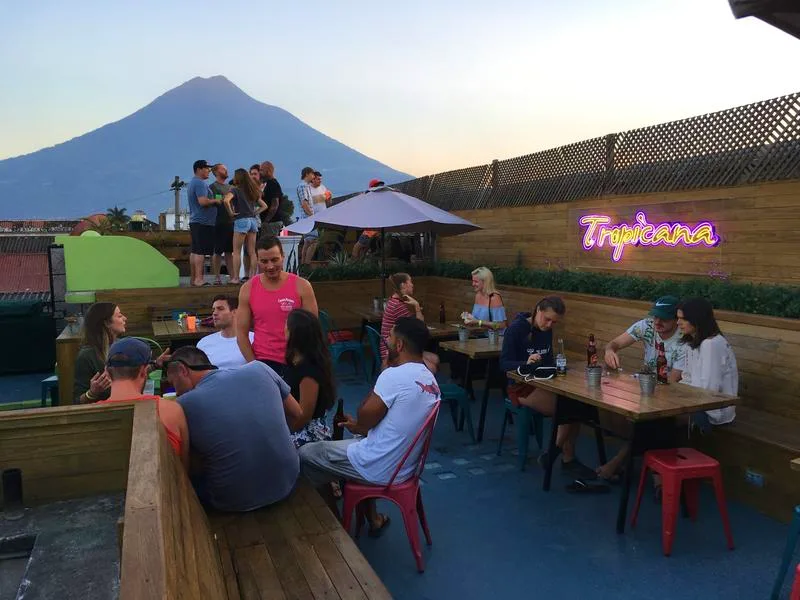
Some hotels, restaurants, and accommodations in Antigua have rooftop terraces where visitors can enjoy views of the surrounding volcanic landscape.
These locations provide a relaxing way to admire the scenery without leaving the city.
On a clear day, you may spot volcanic peaks in the distance. Some rooftops also offer excellent opportunities for photography, especially during sunrise and sunset.
Before visiting, check whether the rooftop is accessible to outside guests or reserved for hotel customers.
3. Acatenango Volcano
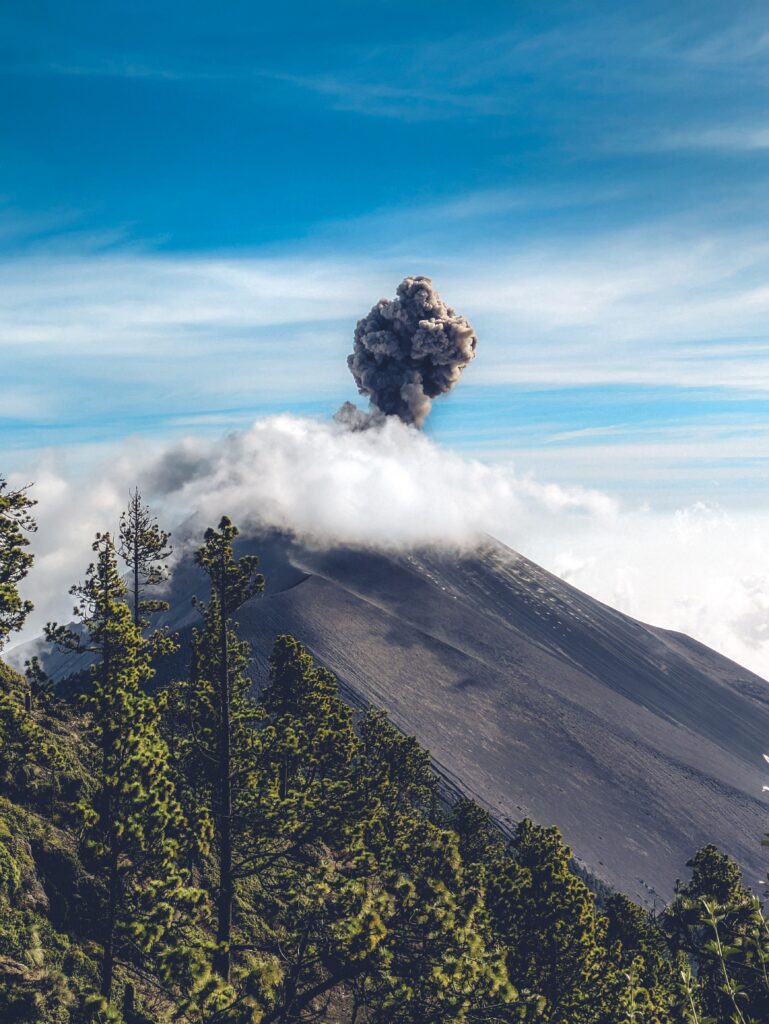
If your main goal is to see Fuego up close, Acatenango is one of the best places to experience its volcanic activity.
Acatenango stands beside Fuego, allowing hikers to observe the active volcano from designated viewpoints across the valley.
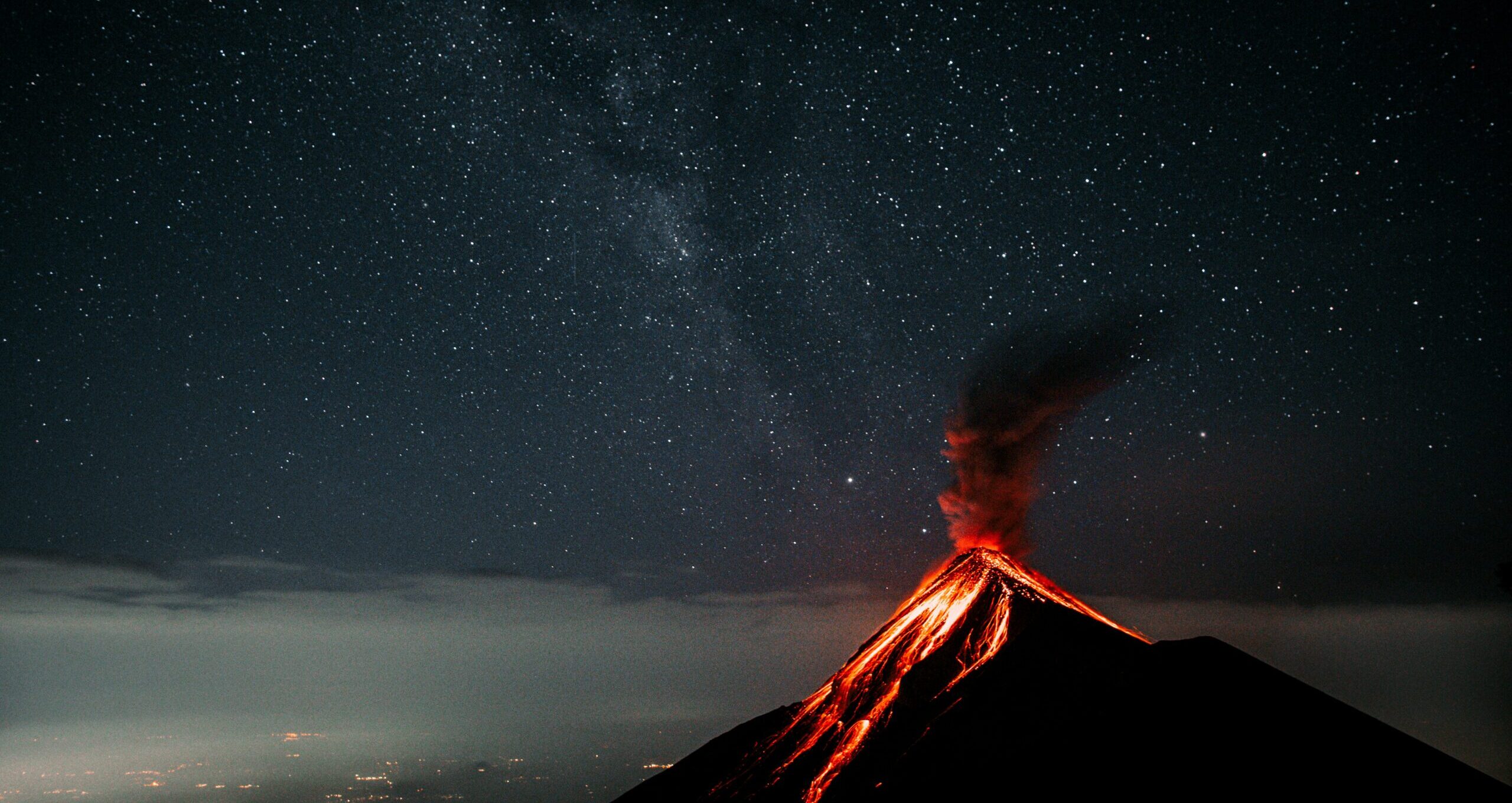
The overnight hike is particularly popular because visitors may witness nighttime eruptions. During suitable conditions, glowing volcanic material can create spectacular displays against the dark sky.
Unlike viewing Fuego from Antigua, an Acatenango hike offers a much closer perspective of the volcano.
However, hiking conditions can be challenging. You should prepare for cold temperatures, steep trails, and changing mountain weather.
Always follow your tour guide’s instructions and respect safety restrictions around active volcanic areas.
Why Is Volcan Fuego So Active?
Volcan Fuego is one of Guatemala’s most active volcanoes. It frequently produces explosions that release ash, volcanic gases, and other materials into the atmosphere.
Its activity comes from the movement of magma beneath the Earth’s surface.
Guatemala sits along the Pacific Ring of Fire, a region known for earthquakes and volcanic activity. The country’s volcanoes formed through complex geological processes associated with the movement of tectonic plates.
In particular, the Cocos Plate moves beneath the Caribbean Plate along the Middle America Trench. This process, called subduction, contributes to the formation of magma that feeds Guatemala’s volcanic systems.
As magma rises toward the surface, pressure builds inside the volcano. Eventually, this pressure can produce explosions that release volcanic material.
Fuego is known for frequent Strombolian-style explosions, which can send glowing material above its summit. Depending on the strength of an eruption, ash clouds may also rise high into the atmosphere.
These natural processes make Fuego fascinating to observe, but they also create serious hazards for nearby communities.
What Does a Volcan Fuego Eruption Look Like?
One of the reasons travelers want to see Fuego is its impressive volcanic activity.
Unlike volcanoes that remain quiet for long periods, Fuego frequently produces visible explosions. These events can create different displays depending on the level of activity.
Here are some things you might observe:
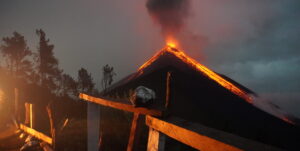
Ash plumes: Explosions can release gray or dark clouds of volcanic ash that rise above the summit.
Lava fountains: Some explosions produce glowing fragments of molten volcanic material that shoot into the air.
Incandescent rocks: Hot volcanic rocks may travel down the slopes during certain eruptions.
Volcanic gases: Fuego releases gases that can contribute to visible emissions around its summit.
Nighttime glow: After sunset, incandescent volcanic material may become easier to see against the dark surroundings.
The nighttime displays are particularly impressive from Acatenango’s designated viewing areas.
However, volcanic activity changes constantly. Some nights may feature several visible explosions, while other nights may offer limited activity.
Therefore, no tour operator can guarantee a particular eruption display during your visit.
What Is the Best Time to See Volcan Fuego?
The best time to see Volcan Fuego depends on what you want to experience.
If you want to photograph the volcano from Antigua, early mornings can sometimes offer better visibility before clouds develop around the mountains.
However, weather conditions vary, so this is not a guarantee.
If you want to observe its glowing volcanic activity, nighttime offers a different experience. The darkness makes incandescent material easier to distinguish from the surrounding landscape.
This is one reason why the Acatenango overnight hike is so popular.
During the hike, travelers typically reach a designated campsite or viewing area, where they can rest and observe Fuego from a distance.
The following morning, some tours also include an early sunrise experience before descending the mountain.
Regardless of when you visit, remember that clouds and weather conditions can affect your experience. It is always helpful to remain flexible with your plans.
Is It Safe to Visit Volcan Fuego?
Volcan Fuego is an active volcano, so visitors should take its activity seriously.
Although its eruptions attract tourists, approaching the volcano itself can be extremely dangerous. Explosions may release volcanic rocks, ash, and other hazardous materials without much warning.
For this reason, visitors should never attempt to climb Fuego or enter restricted areas.
Instead, travelers who want to observe the volcano often choose guided Acatenango tours. These tours use designated routes and viewing areas that provide a distant perspective of Fuego.
Before booking an adventure, check current volcanic activity reports and follow guidance from Guatemala’s disaster management authorities, including CONRED, and the National Institute of Seismology, Vulcanology, Meteorology and Hydrology (INSIVUMEH).
You should also listen carefully to your guide, respect trail closures, and avoid approaching areas with volcanic hazards.
Remember that a beautiful volcanic view is never worth risking your safety.
Acatenango Overnight Hike: A Better Way to See Fuego
If you are visiting Antigua and want to experience Volcan Fuego beyond a distant city view, consider an overnight Acatenango hike.
This adventure takes you into the mountains, where you can observe Fuego from designated viewpoints across the valley.
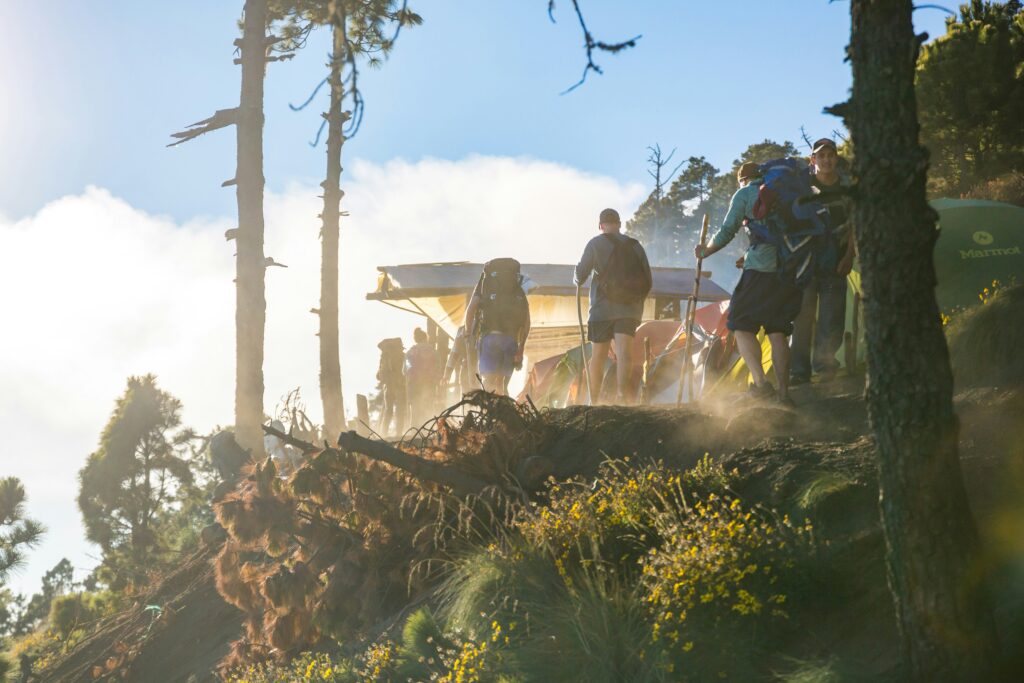
Most overnight experiences involve hiking uphill for several hours before reaching a campsite. Once there, you can rest, enjoy the mountain scenery, and watch for volcanic activity.
At night, the experience becomes even more special. If Fuego produces visible explosions, you may see glowing material rising above its summit.
The next morning, many hikers wake early to enjoy the sunrise over Guatemala’s volcanic landscape.
However, the hike is physically demanding. The trail includes steep sections, loose volcanic soil, and changing temperatures. Proper clothing, comfortable hiking shoes, drinking water, and suitable equipment are essential.
If you are new to mountain hiking, choosing an experienced tour operator can help you prepare for the journey.
Explore Guatemala with Tropicana
Planning to see Volcan Fuego while visiting Antigua Guatemala? Tropicana can help you organize your adventure.
As a tour operator in Guatemala, Tropicana offers tour packages to Acatenango and Pacaya Volcanoes. Whether you want to experience an overnight mountain hike or explore another volcanic landscape, we can help you find an adventure that suits your travel plans.
Beyond volcano tours, Tropicana also offers shuttle services for travelers who want to visit other destinations within Guatemala or cross into neighboring countries.
If you need a convenient place to stay before or after your adventure, we also offer accommodation options in Antigua Guatemala. This makes it easier to organize your activities, enjoy the city, and prepare for your next destination.
Staying in Antigua also gives you time to explore its colonial streets, local restaurants, historic landmarks, and beautiful surrounding landscapes.
Whether you are planning an Acatenango overnight hike, a Pacaya Volcano adventure, or a longer trip across Guatemala, Tropicana is here to help.
Contact Tropicana anytime if you need assistance planning your Guatemalan adventure!
Final Thoughts: Is Volcan Fuego Worth Seeing from Antigua?
Absolutely! Volcan Fuego is one of Guatemala’s most remarkable natural attractions. Its frequent eruptions, impressive volcanic landscape, and connection to Acatenango make it a fascinating destination for travelers.
You can sometimes see Fuego from Antigua Guatemala, especially when weather conditions provide clear views. However, if you want a closer look at its volcanic activity, an overnight Acatenango hike offers a more immersive experience.
Whether you admire the volcano from a city viewpoint or observe its nighttime eruptions from the mountains, seeing Fuego can become one of the highlights of your trip.
So, when planning your visit to Antigua Guatemala, consider adding a volcano adventure to your itinerary.
And if you need help organizing your tours, transportation, or accommodation, Tropicana is ready to welcome you to Guatemala!
 Previous Post