
Fuego Volcano Activity: What You Can Expect During Day and Night
Fuego Volcano is one of the most exciting natural wonders in Guatemala. It erupts every day, and its constant activity attracts hikers from around the world. Many travelers want to see the lava bursts at night, while others want to learn what the volcano looks like during the day. Because of this, we decided to break down everything you need to know about Fuego Volcano activity, including night views, daytime eruptions, and whether you can see a full eruption on a day hike.
Let’s explore what makes Fuego so special.
Fuego Volcano at Night: Why People Love the Lava Show
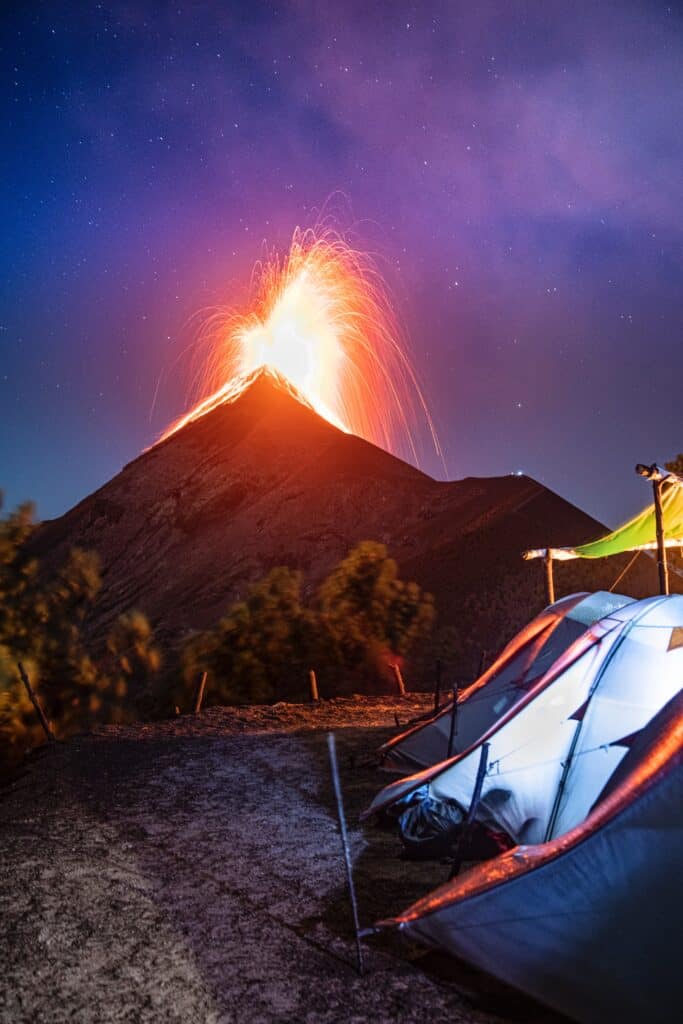
Many travelers say the night show from Fuego is the most unforgettable moment of their Guatemala trip. The combination of darkness, glowing lava, and loud explosions creates a thrilling experience. But what exactly makes this view so magical?
What Makes the Lava Glow?
Lava glows because it is extremely hot. When magma reaches the surface, it reaches temperatures between 700°C and 1,200°C. At this point, it turns bright red or orange. The darker the surroundings, the brighter the lava appears. This is why most hikers prefer watching Fuego at night.
The contrast between the dark sky and the glowing lava fountains makes every eruption look dramatic. Even if Fuego only releases small bursts, you will still see a beautiful display from the Acatenango campsite.
Best Times to See Eruptions at Night
While Fuego erupts throughout the day, the best time to appreciate its beauty is after sunset. However, some hours offer a clearer view:
- 7 PM – 12 AM: The most active window for many hikers
- 2 AM – 4 AM: Often calmer, but still offers beautiful, glowing bursts
- Just before sunrise: Great for video shots because the sky begins to lighten
The weather also plays a big role. Clear nights allow you to see every lava burst. If clouds pass by, you may have short moments where the view disappears. But don’t worry—clouds usually move fast, and the view comes back.
Why the Best View Is from Acatenango
The Acatenango campsite sits directly across from Fuego. This position gives you the safest and closest view of Fuego Volcano activity without entering the danger zone.
Here’s why Acatenango offers the best viewing point:
- Perfect distance: Close enough to see every burst, but far enough to stay safe
- Direct angle: You face the eruption zone straight on
- High elevation: The campsite sits above the clouds most nights
- Night visibility: The dark surroundings make the lava stand out
At Tropicana, our Acatenango tours camp at a popular viewpoint with an open space facing Fuego. This gives you an unobstructed view of every explosion and lava fountain. Many travelers say it feels like watching nature’s own firework show.
What to Expect During a “Normal Activity” Day at Fuego Volcano

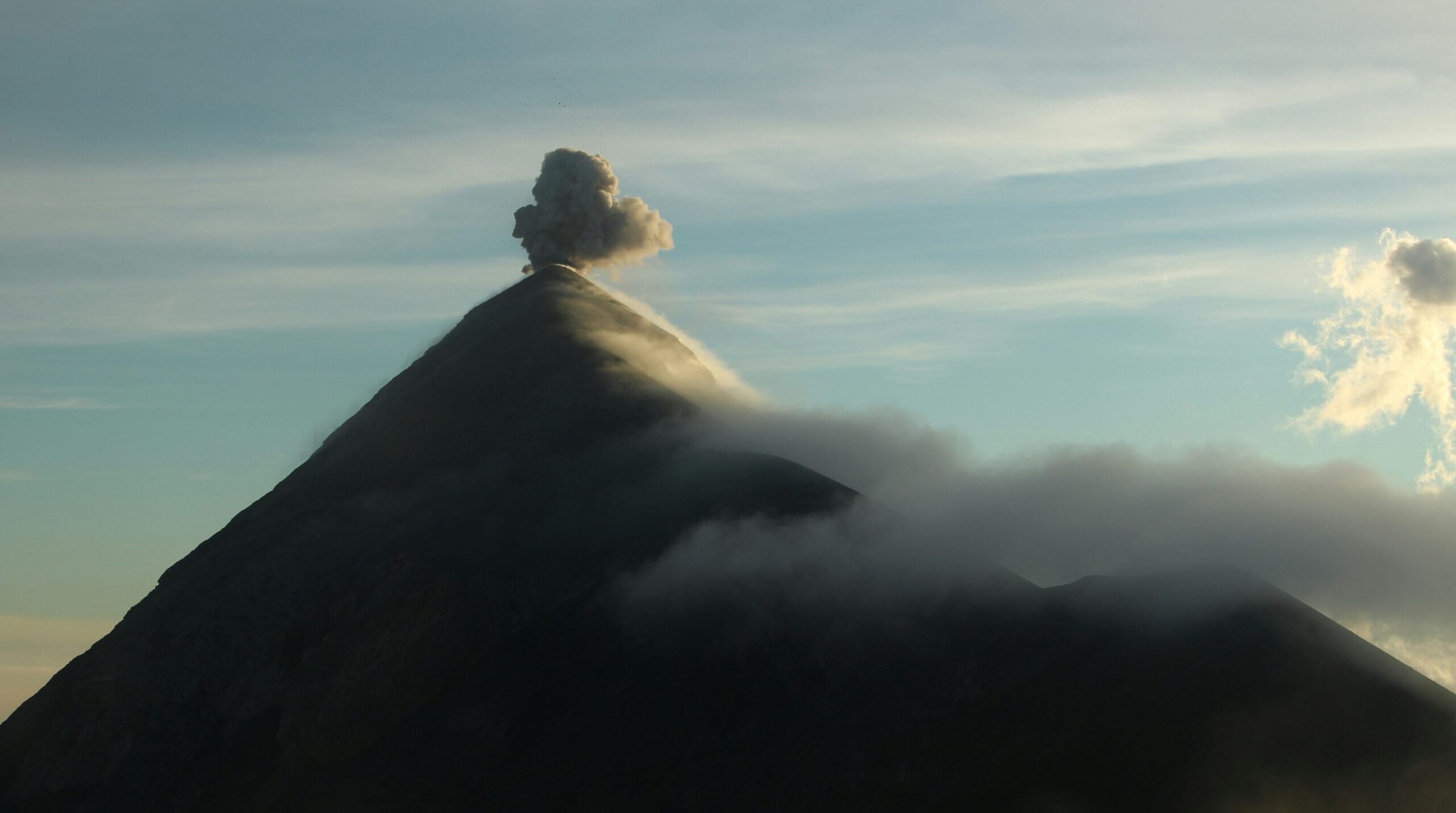
Even during the day, Fuego is active. You will not always see lava during daylight, but you will experience ash plumes, rumbling sounds, and shockwaves. Understanding what normal activity looks like helps you prepare for your hike and avoid surprises.
Typical Ash Plumes
During the day, Fuego produces:
- Light to moderate ash plumes
- Ash clouds rising 300 to 1,000 meters above the crater
- Grey or dark brown smoke, depending on wind direction
These ash plumes are normal. They do not always signal a major eruption. Most hikers can watch these plumes safely from Acatenango’s trails or viewpoint areas.
Average Eruption Intervals
Fuego erupts many times per hour. During a typical day, you can expect:
- Small explosions every 5 to 15 minutes
- Occasional larger explosions during peak hours
- Constant rumbling throughout the day
These eruptions are part of Fuego’s natural rhythm. It is one of the most active volcanoes in the world, and this level of activity is normal for Fuego.
What Hikers Usually Hear and See
Even if you cannot see lava during daylight, you can still observe several exciting features:
- Deep booms: Similar to the sound of distant thunder
- Ash clouds rising from the crater
- Gas bursts: Short, loud blasts
- Shockwaves: Stronger eruptions create a small pressure wave you can feel
Many hikers say they feel the ground vibrate slightly during stronger eruptions. It’s a reminder that you are standing near a powerful and very active volcano.
Can You See Fuego Volcano Erupt on a Day Hike?
This is a common question from travelers who want to visit the volcano but prefer a shorter trip. The short answer is: yes, you can see Fuego erupt during the day, but the experience is very different from the night show.
What You Can See on a Day Hike
A day hike usually brings you to Acatenango’s lower viewpoints. From these spots, you can often see:
- Ash plumes rising
- Smoke clouds drifting across the sky
- Small explosions with sound
- Occasional lava bursts if the eruption is strong
However, the sunlight makes it harder to see glowing lava. If the eruption happens during the brightest part of the day, the lava may not appear as clearly.
Why Night Hikes Offer a Better View
Day hikes offer great scenery, but night hikes offer the full Fuego experience. The lava glows much brighter in the dark, and you can see every burst. This is why most travelers choose the classic overnight Acatenango hike.
But if you only have one day, a day hike is still worth it. You still get a chance to see Fuego Volcano activity, hear the eruptions, and enjoy the incredible landscapes around the volcano.
Planning Your Trip? Tropicana Is Here to Help
At Tropicana, we help travelers experience Guatemala’s volcanoes in the best way possible. We offer:
- Acatenango tours with a clear view of Fuego
- Pacaya volcano tours for a shorter and easier adventure
- Shuttle services across Guatemala and to nearby countries
- Comfortable accommodation in Antigua Guatemala
- Friendly staff ready to help you plan every detail
Whether you want to see Fuego’s lava show or join a day hike, our team will make sure your trip is safe, smooth, and unforgettable.
If you need help planning your Guatemala adventure, contact us anytime. We love helping travelers enjoy the beauty of our country.
 Previous Post
 Next Post