

Acatenango Temperature: How Cold It Gets and the Best Time to Hike
Hiking Acatenango is one of the most unforgettable adventures in Guatemala. The views of Volcán Fuego alone make the journey worth it. However, many hikers feel surprised by how cold the mountain gets, especially near the summit. Understanding the Acatenango temperature helps you prepare better and enjoy a safer, more comfortable trip.
In this guide, we explain how cold it really gets on Acatenango, why temperatures change so fast, and what hikers can expect during the day and night. We also share tips to handle the extreme temperature swings and choose the best time of the year for comfortable weather.
How Cold Does Acatenango Get?
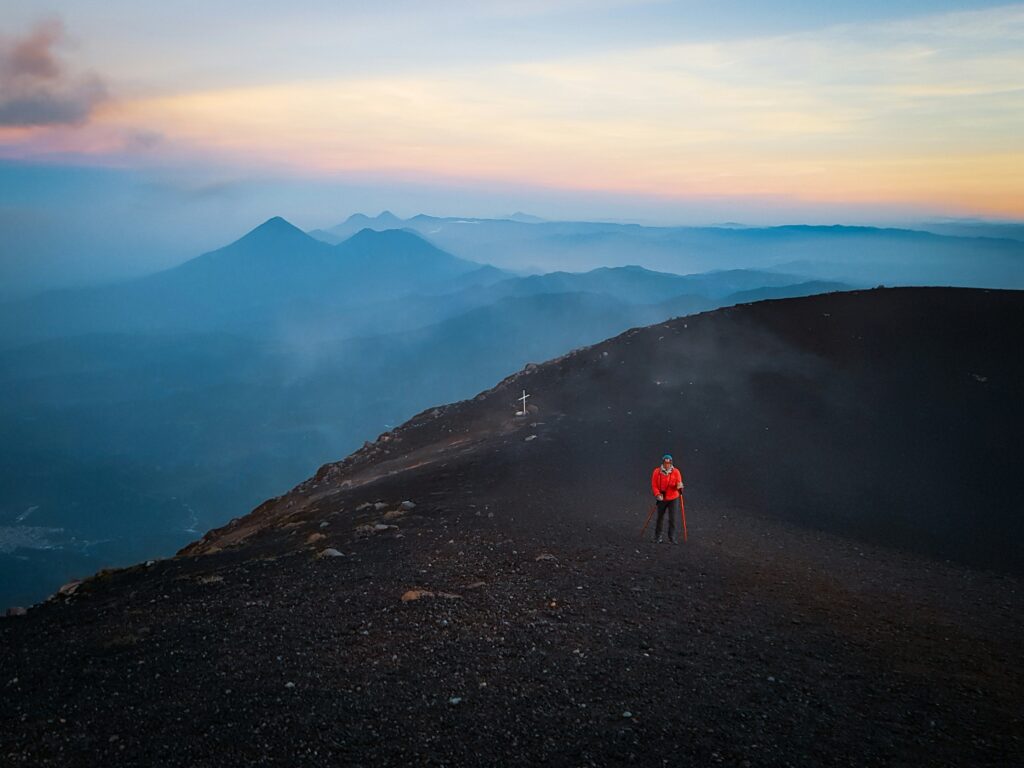
Many people think the hike is warm just because Guatemala has a tropical climate. However, Acatenango is a high volcano with a peak of almost 4,000 meters. This extreme altitude creates a very different environment from the warm towns below. The Acatenango temperature can drop fast and reach freezing levels, especially at night.
Typical Summit Temperatures
Summit temperatures usually stay around 0°C to 5°C (32°F to 41°F) at night. During colder months, especially December and January, temperatures can drop below freezing. Many hikers wake up to thin layers of frost on their tents, clothes, and backpacks.
During the day, temperatures near the summit can be 10°C to 15°C (50°F to 59°F), but strong winds often make it feel much colder. The air is thinner, the sky is clear, and the sun can feel warm for a moment. Still, once the wind hits your face, you feel the real chill.
Why Temperatures Drop So Fast
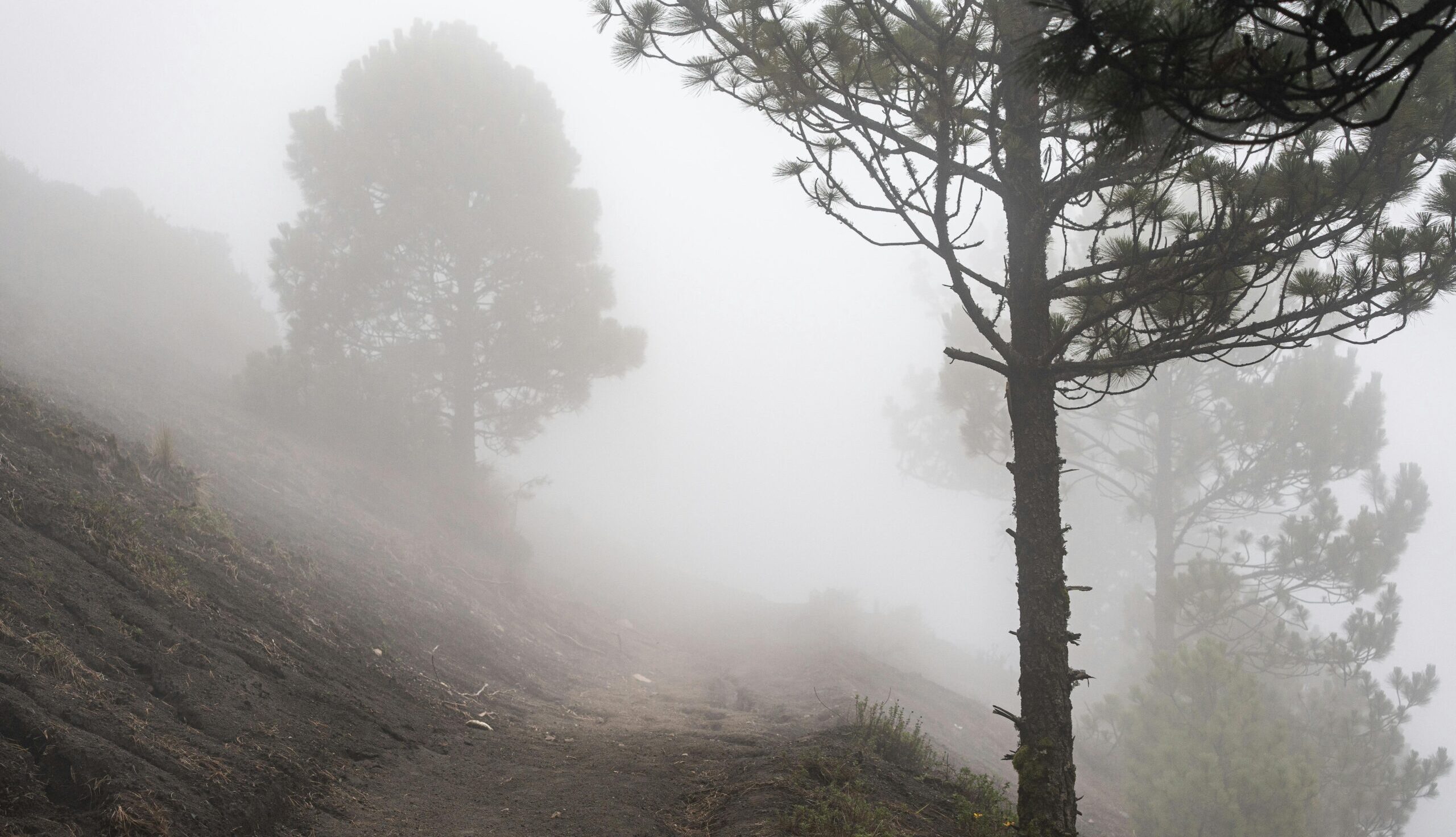
Temperatures fall quickly on Acatenango due to its altitude, exposure, and open ridges. There are no trees near the top, so the wind has nothing to block it. Also, volcanic peaks cool down fast after sunset because the heat escapes immediately into the thin air.
Even if you feel warm during the ascent, you must remember that the summit environment becomes freezing once the sun sets. This sudden change surprises many hikers, especially beginners.
Real Examples of Freezing Temperatures at the Campsite
Acatenango’s campsite usually sits between 3,500 and 3,700 meters, and it feels even colder here than it looks. Hikers often experience nights at 0°C to -2°C (28°F to 32°F). On rare cold fronts, temperatures may drop to -5°C (23°F).
Many hikers share stories of waking up at night because the wind shook their tents or because their water bottles froze. When you camp above the clouds, you feel every bit of cold air. This is why proper gear matters.
At Tropicana, we make sure hikers stay comfortable by offering high-quality gear and guiding them on what to wear. Staying warm is part of enjoying this adventure.
Daytime vs. Nighttime Temperatures on Acatenango
Another important thing to understand about the Acatenango temperature is how different it feels during the day and night. The mountain has some of the most dramatic temperature swings in Guatemala.
Warm Lower Trails
The hike begins at the base, where temperatures stay between 15°C and 25°C (59°F to 77°F). The lower part of the trail passes through farmland, pine forests, and dusty paths. You may feel warm or even sweaty during this part, especially if the sun shines brightly.
However, the comfort you feel at the start often tricks hikers into thinking they do not need warm gear. But the higher you climb, the colder it gets. Every few hundred meters, the Acatenango temperature drops more, and the air becomes thinner.
Cold and Windy Summit Conditions
Near the summit, everything changes. The temperature drops fast, and the wind becomes stronger. During late afternoon and night, hikers stand on exposed ridges with nothing to block the cold air.
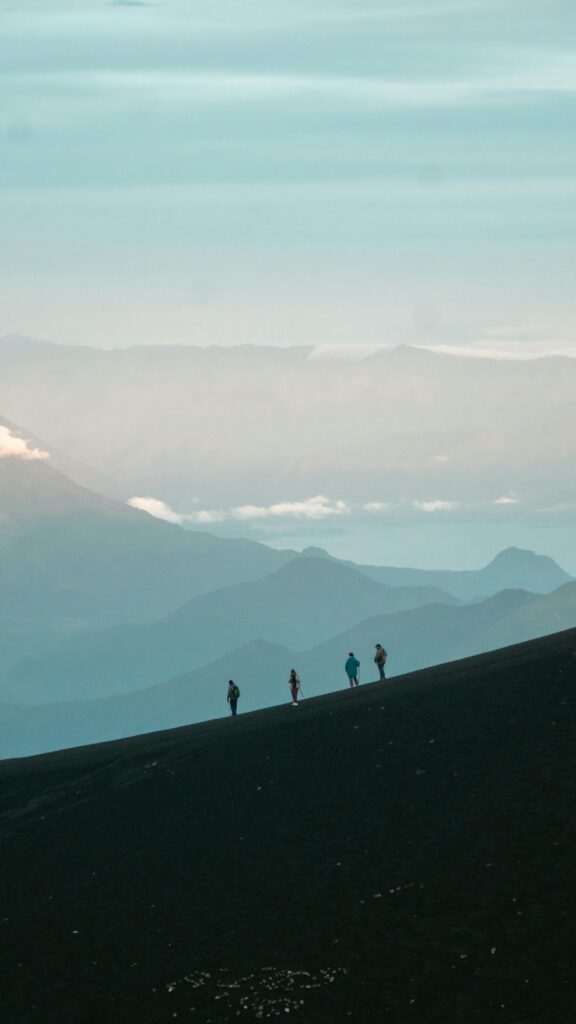
Many hikers say that standing at the summit during sunrise is magical but freezing. The windchill makes the cold bite harder, especially when you wait for the sun to rise. You may sweat during the climb but feel icy cold once you stop moving.
Tips to Prepare for Extreme Temperature Swings
To handle Acatenango’s extreme temperature changes, consider the following tips:
- Wear layers so you can adjust your clothing as the temperature shifts.
- Pack a warm jacket, preferably with insulation.
- Bring gloves, a beanie, and warm socks for nighttime.
- Choose moisture-wicking shirts to avoid feeling cold after sweating.
- Use a scarf or buff to protect your face from the wind.
- Bring a good sleeping bag rated for low temperatures.
At Tropicana, we help hikers prepare for these temperature swings with clear gear recommendations and experienced guides. If you join one of our tours, you stay warm and safe throughout the entire journey.
Best Time to Hike Acatenango for Comfortable Temperatures
Although Acatenango is always cold at night, some months offer more comfortable hiking conditions. The dry season and the warmer months often create better overall experiences, especially for beginners.
Dry Season (November to April)
The dry season is the most popular time to hike Acatenango. The temperature is still cold, but you enjoy:
- Clear skies
- Better views of Fuego
- Safer, drier trails
- Less chance of heavy rain
During this season, you can expect nighttime temperatures around 0°C to 5°C (32°F to 41°F). It feels cold, but not extremely harsh compared to the wet season.
Shoulder Months (March to May)
These months offer slightly warmer temperatures. Nights may feel more manageable, and daytime hiking becomes more pleasant. Many hikers find this a great time for comfortable weather.
Wet Season (May to October)
This season brings more rain, clouds, and slippery trails. Nights remain cold, and the humidity makes the cold feel even stronger. However, the wet season rewards hikers with lush landscapes and fewer crowds.
If you prefer mild daytime temperatures, June and July can feel comfortable, but always expect cold nights at the campsite.
Final Thoughts: Preparing for Acatenango’s Cold Temperatures
Acatenango is one of the best volcano hikes in Central America, but the experience becomes even better when you understand the Acatenango temperature. The mountain offers warm lower trails, freezing summits, and fast-changing weather. When you prepare well, you enjoy the beauty, the challenge, and the incredible eruptions from Volcán Fuego.
If you want a well-organized adventure, Tropicana is here to help. We offer guided tours to Acatenango and Pacaya Volcano, shuttle services to many destinations across Guatemala, and accommodation options in Antigua Guatemala. You can stay with us before or after your hike. And of course, you can contact us anytime if you need help planning your Guatemalan adventure.
 Previous Post
 Next Post