
Discovering the Rich Flora and Fauna of Acatenango Volcano
The Acatenango Volcano near Antigua Guatemala is more than a breathtaking hiking spot. It is also home to diverse ecosystems that showcase Guatemala’s rich flora and fauna. When you explore its slopes, you move through layers of life that change with altitude and climate. This journey is not just an adventure; it is a chance to connect with nature and see how life adapts in such a challenging environment.
Why the Flora and Fauna of Acatenango Matter
Learning about Acatenango’s flora and fauna helps you appreciate the volcano beyond its dramatic views. Each plant and animal has a role in keeping this environment balanced. The trees help prevent erosion, the birds spread seeds, and the insects keep the soil healthy. Together, they form a living system that has adapted to volcanic soil and changing weather.
Moreover, observing wildlife during your hike makes the experience more meaningful. You get to see nature up close and understand how fragile it can be. That awareness often inspires travelers to care more deeply for the environment.
The Changing Plant Life of Acatenango
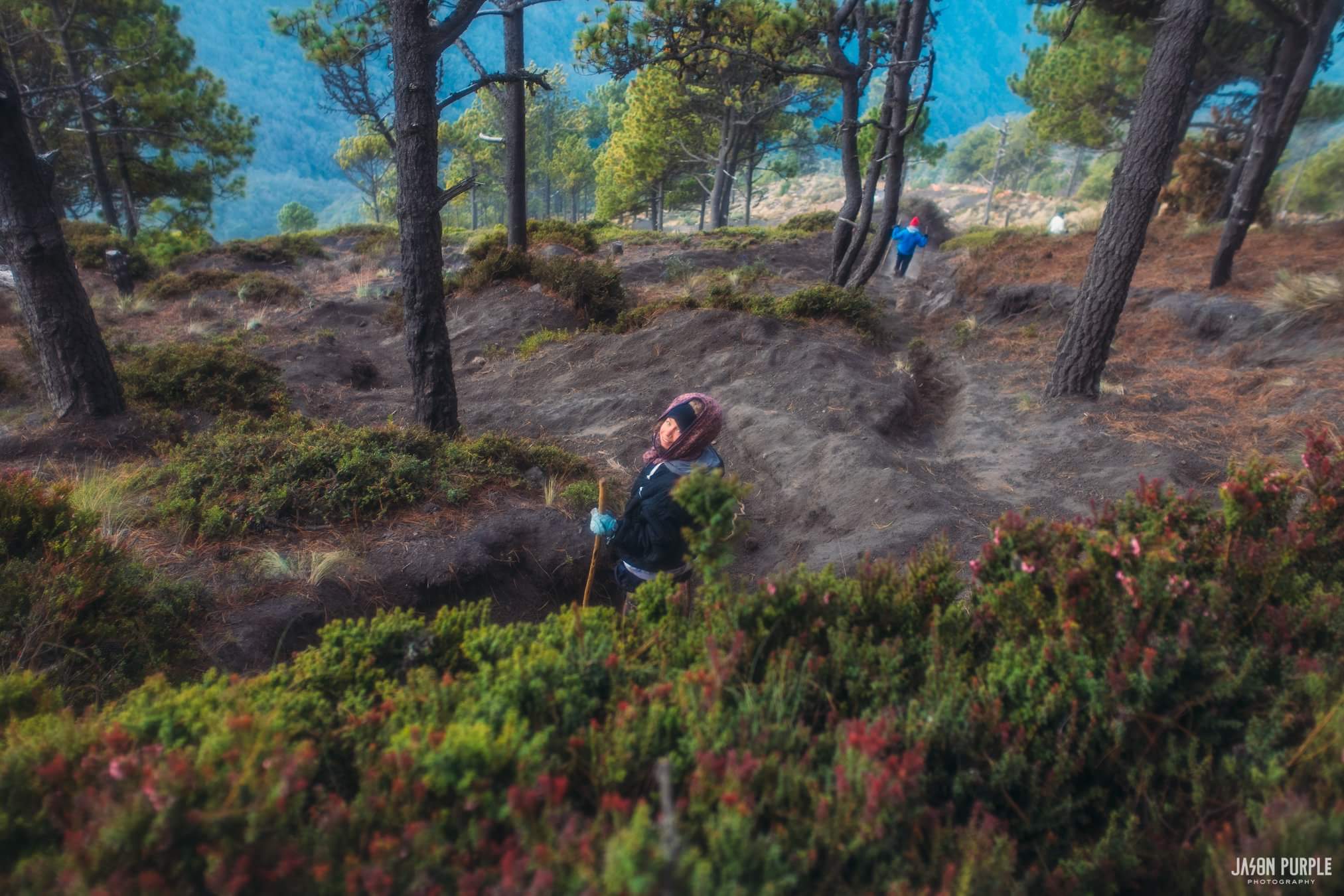
One of the most fascinating things about Acatenango is how its vegetation changes as you climb higher. The volcano’s slopes are divided into several zones, each with unique plants that thrive under specific conditions.
The Lower Slopes: Lush Forests
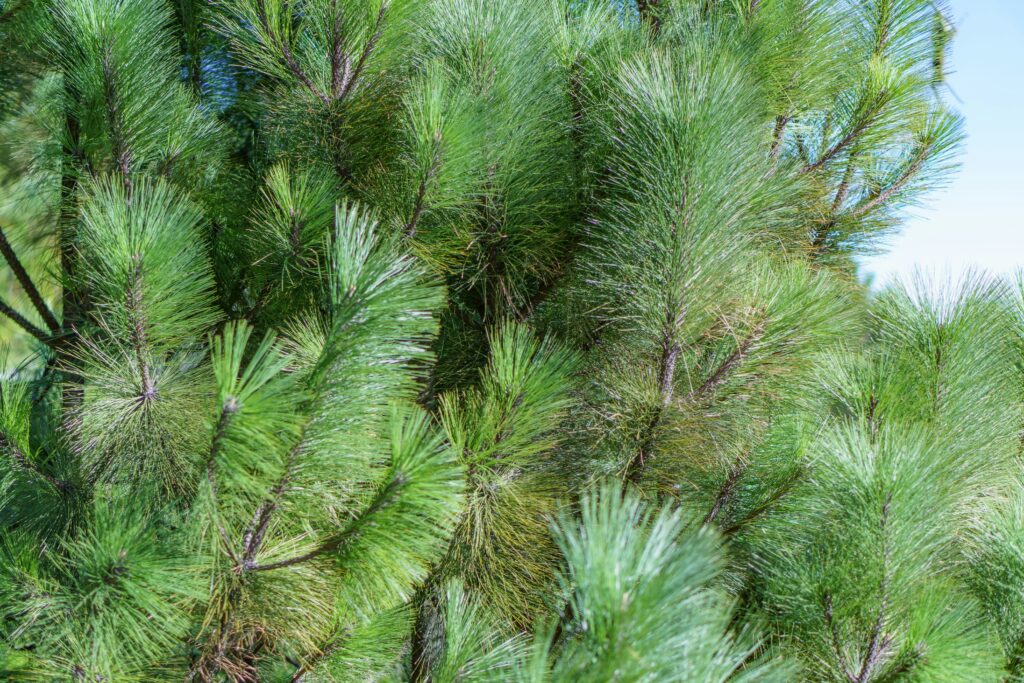
At the base of Acatenango, the forest feels warm and green. Here, you will see tall oak, pine, and cypress trees. The ground is covered with ferns, moss, and other small plants that love moisture. Many of these trees also host orchids and bromeliads, which grow on their trunks and branches.
This lower forest provides food and shelter for many animals, including birds and small mammals. The air feels fresh and full of life. As you continue upward, you start to notice that the vegetation begins to thin and change.
The Mid Slopes: Mixed Forests and Shrubs
The middle section of the volcano offers a mix of trees and shrubs. The temperature drops slightly, and the air becomes cooler. Trees grow shorter, and more light reaches the ground. This allows hardy plants, such as wildflowers and grasses, to appear.
The volcanic soil in this area is rich in minerals but drains quickly. Only plants that can handle less water and colder nights survive here. The shrubs and small bushes you see are often native species that grow only in Guatemala’s volcanic regions.
The Summit Zone: Alpine Meadows and Rocks
Near the summit, the landscape changes completely. Trees disappear, and the terrain becomes rocky and exposed. Here, only tough plants such as agave, moss, and small ground covers grow. These species can handle strong winds, temperature swings, and limited soil.
Despite the harsh conditions, this area is full of life. The colors may be subtle, but the resilience of these plants is remarkable. Some species are found only on Acatenango and nearby volcanoes, which makes them very special.
The Wildlife of Acatenango
The flora and fauna of Acatenango are closely connected. The plants provide food and shelter for animals, while animals help pollinate flowers and spread seeds. As you hike, you might spot or hear many different species.
Colorful Birds
Bird lovers will be thrilled with what they can find on Acatenango. The volcano is home to species such as:
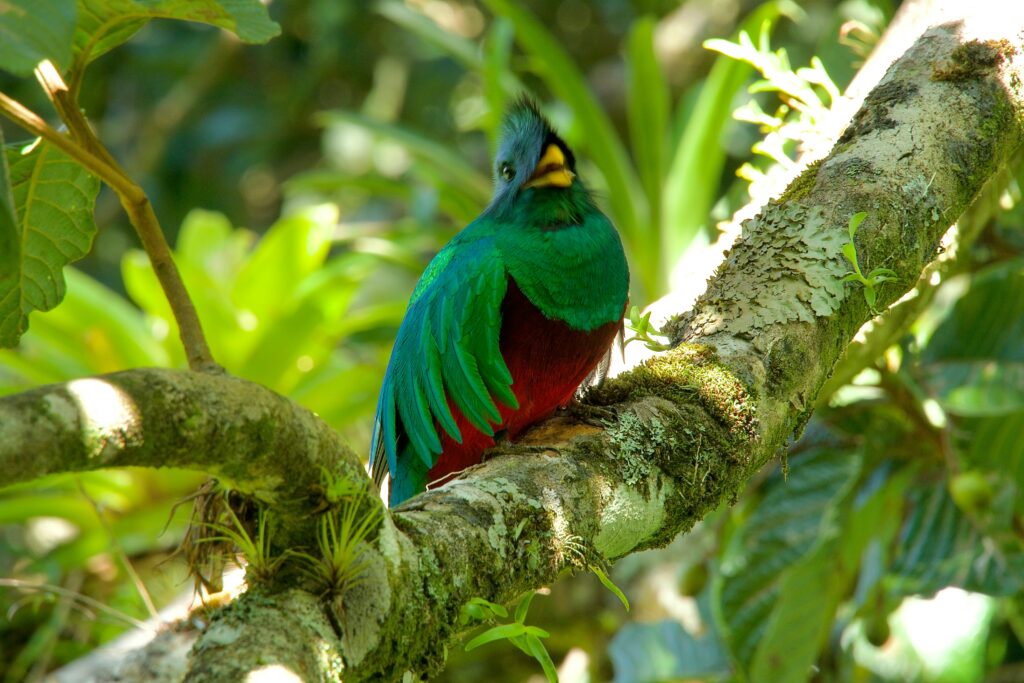
- The Resplendent Quetzal, Guatemala’s national bird, known for its bright feathers
- Various hawks and eagles that soar high above the slopes
- Owls that can be heard at night
- Songbirds that add music to your morning hike
Each altitude attracts different birds. Lower forests are filled with smaller species, while higher areas attract raptors that love open skies.
Mammals and Small Creatures
The mammals of Acatenango are shy but present. You might spot footprints, droppings, or quick movements through the trees. Some of the common species include:
- Agoutis, small, rabbit-sized rodents that feed on nuts and fruit
- Coatis, curious animals with long snouts
- Deer, which sometimes appear in forested zones
Because these animals avoid human activity, the best chance to see them is early in the morning or late in the afternoon.
Reptiles and Amphibians
In the warmer zones, reptiles and amphibians thrive. Lizards sunbathe on rocks, while frogs hide in the shade near moist soil. Snakes are also present, though they are rarely dangerous. Together, these creatures keep the ecosystem balanced by controlling insects and supporting other wildlife.
Protecting the Ecosystem
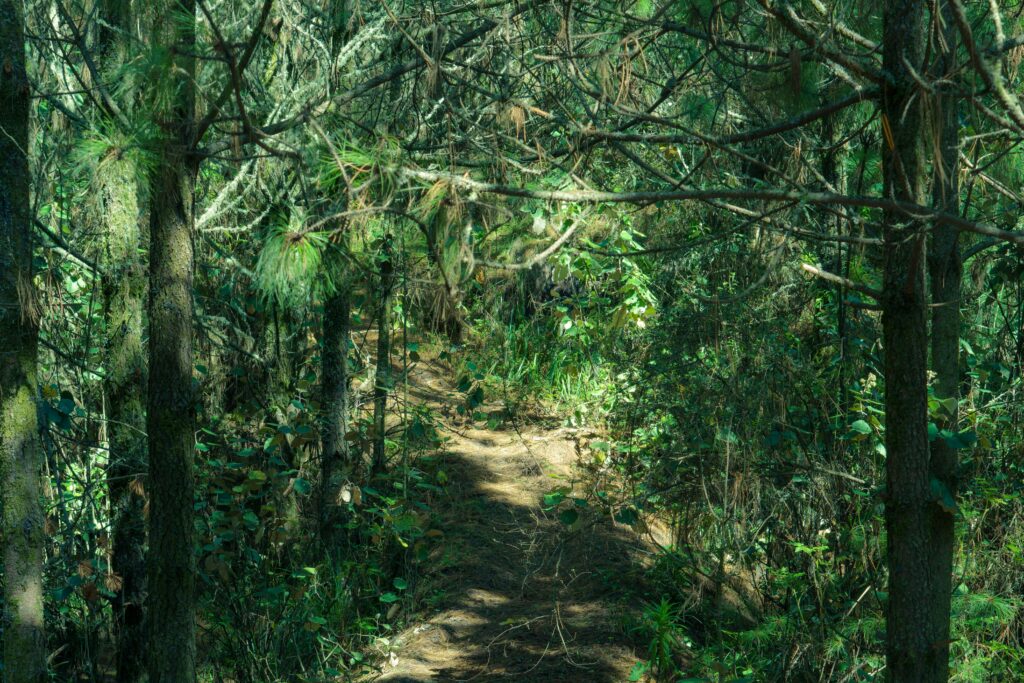
The flora and fauna of Acatenango deserve protection. Tourism plays an important role in conservation, especially when travelers follow responsible practices. Many local organizations and guides work to protect this fragile environment through education and regulation.
Here are a few ways visitors can help preserve Acatenango’s beauty:
- Always stay on marked trails to prevent erosion and protect fragile plants.
- Carry your trash out with you and avoid leaving anything behind.
- Do not pick flowers or disturb animals.
- Choose guided hikes that follow sustainable tourism practices.
- Learn from local guides about the species you encounter.
By hiking responsibly, you help keep this natural wonder healthy for future generations.
Tips for Observing Flora and Fauna
To fully enjoy the natural side of Acatenango, remember these simple tips:
- Take your time. Walk slowly and look around carefully. The slower you go, the more details you will notice.
- Use binoculars. They help you see birds and animals from a distance without disturbing them.
- Start early or finish late. Many animals are more active during sunrise or sunset.
- Bring a camera. Photos help you remember your encounters without affecting the environment.
- Ask your guide. Local guides know the best spots for observing wildlife and can share stories about the species that live there.
Observing the flora and fauna of Acatenango with patience will reward you with unforgettable memories.
Tropicana: Your Partner in Adventure

If you want to explore the natural beauty of Acatenango comfortably and safely, Tropicana is here to help. We are a trusted tour operator in Guatemala offering tour packages to Acatenango and Pacaya Volcanoes. Whether you want to hike to the summit or explore at a relaxed pace, our experienced guides will make your journey enjoyable and safe.
We also offer shuttle services to other destinations in Guatemala, making it easy for you to continue your adventure beyond the volcanoes. In addition, we have accommodation options in Antigua Guatemala, perfect for resting before or after your hike.
If you need help planning your trip or have questions about what to see, contact us anytime. At Tropicana, we are always ready to help you make the most of your Guatemalan adventure.
Final Thoughts
The flora and fauna of Acatenango Volcano reveal how life can flourish even in extreme conditions. From the dense forests at its base to the rocky summit covered with moss and agave, each layer of the mountain has its own charm. The birds, mammals, and insects that live here complete this natural wonder.
When you hike Acatenango, take time to observe, learn, and respect its living world. Traveling with Tropicana makes it even better because you can explore responsibly while enjoying comfort, guidance, and local insight.
So, as you plan your next trip to Guatemala, remember that Acatenango is not only about reaching the top. It is also about discovering the beauty of nature along the way and experiencing the rich flora and fauna that make this volcano truly special.
 Previous Post
 Next Post