

Agua Volcano vs. Fuego and Acatenango: What Makes It Unique?
When people think of Guatemala, they often picture towering volcanoes rising above colonial cities and lush valleys. Among these giants, Agua Volcano, Fuego, and Acatenango stand out as some of the most iconic. Each of these peaks tells a different story and offers unique experiences for visitors. If you are planning to explore Guatemala’s volcanic landscape, it’s worth understanding what makes Agua Volcano different from its fiery neighbors.
An Introduction to Agua Volcano
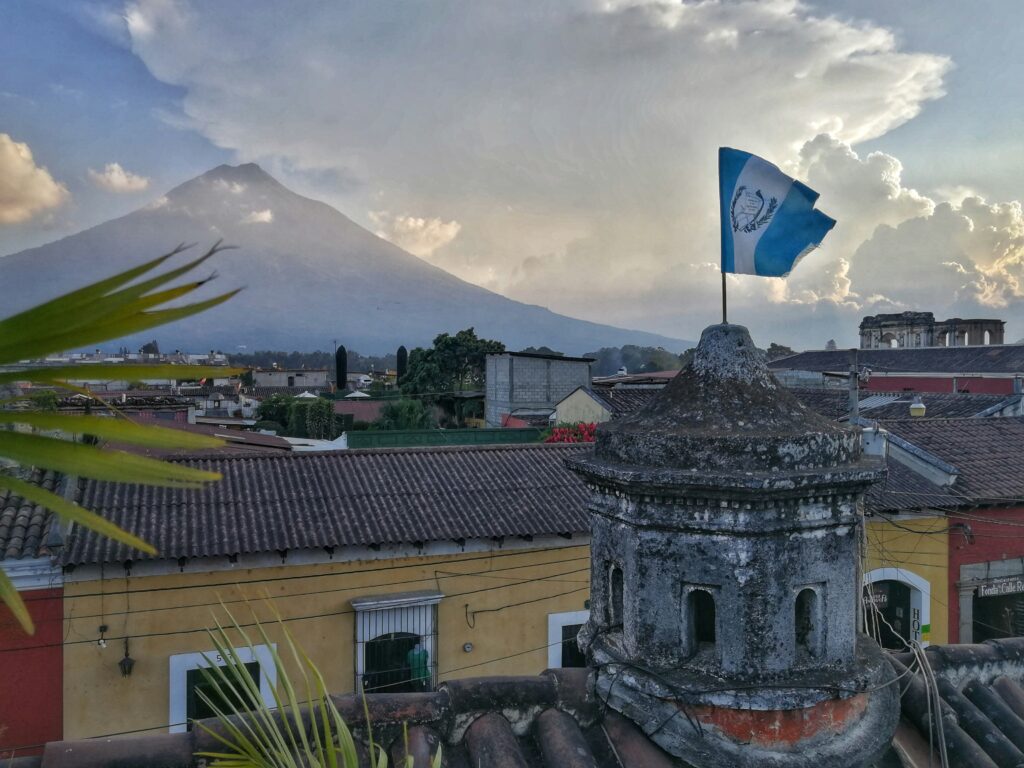
Agua Volcano, also known as Volcán de Agua, rises over 3,760 meters (12,340 feet) above sea level. It dominates the skyline of Antigua Guatemala, creating one of the most recognizable views in Central America. Unlike Fuego and Acatenango, Agua is no longer active. Its last major event occurred in 1541 when a devastating mudslide destroyed the then-capital city of Santiago de los Caballeros, now known as Ciudad Vieja.
Since then, Agua has stood as a silent guardian. Locals and visitors admire it not for its eruptions, but for its perfect cone shape and cultural importance.
Meet Its Neighbors: Fuego and Acatenango

Just west of Agua Volcano stand two other famous peaks—Fuego and Acatenango.
- Fuego Volcano is one of the most active volcanoes in Central America. It erupts frequently, often releasing puffs of ash and glowing lava visible from nearby towns. Its constant activity makes it both fascinating and intimidating.
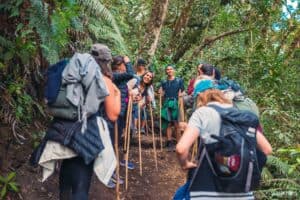
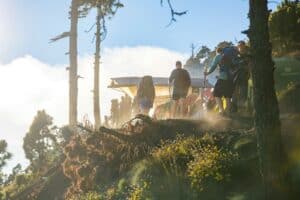
- Acatenango Volcano, on the other hand, is a favorite among hikers. Standing at 3,976 meters (13,045 feet), it offers one of the most challenging but rewarding treks in Guatemala. From its summit, hikers enjoy front-row views of Fuego’s eruptions and breathtaking panoramas stretching across the landscape.
Together, Fuego and Acatenango create one of the most thrilling hiking experiences in the world. But Agua holds its own kind of charm.
Comparing Agua Volcano with Fuego and Acatenango
So, what makes Agua Volcano unique compared to its fiery neighbors? Let’s break it down:
1. Activity vs. Stillness
- Agua Volcano: Dormant and peaceful, offering stability and scenic beauty without the risk of eruptions.
- Fuego Volcano: Always alive, erupting with lava and ash, capturing the attention of adventurers and photographers.
- Acatenango Volcano: While dormant itself, it provides a safe vantage point to watch Fuego’s eruptions up close.
This contrast highlights Agua as the calm presence in the trio.
2. Hiking Experience
- Agua Volcano: Hiking Agua is less popular due to safety concerns, especially related to crime in the past. Still, those who climb it describe sweeping views of Antigua and the surrounding valleys.
- Fuego Volcano: Hiking directly on Fuego is not common because of its activity, but guided tours sometimes explore its lower slopes.
- Acatenango Volcano: This is the most popular trek. It’s tough, but reaching the top and watching Fuego erupt through the night is unforgettable.
While Agua may not offer the same adrenaline-filled hikes, it provides an alternative experience—appreciating it from afar.
3. Cultural and Historical Significance
- Agua Volcano: Its tragic mudslide in 1541 shaped Guatemala’s history by destroying the capital city. Today, locals see Agua as a symbol of Antigua’s identity. Many Guatemalans also view it with respect, connecting it to stories of resilience and rebirth.
- Fuego Volcano: Known as “the fire volcano,” it has inspired countless legends and continues to affect communities with its eruptions. Its fiery activity makes it a reminder of both danger and renewal.
- Acatenango Volcano: Though less historically destructive, Acatenango represents endurance and adventure for hikers worldwide. It is where travelers test their strength while witnessing Guatemala’s volcanic power.
Agua’s role in shaping Antigua’s history makes it not just a natural wonder but also a cultural landmark.
4. Accessibility and Views
- Agua Volcano: Best admired from Antigua, where it serves as the backdrop for charming cobblestone streets, colorful markets, and colonial architecture. On clear days, the volcano feels close enough to touch.
- Fuego and Acatenango: Both are accessible through guided hikes from Antigua. The experience focuses on adventure and breathtaking landscapes, with overnight hikes giving visitors magical views of eruptions against starry skies.
For many visitors, Agua is the volcano they photograph while strolling through Antigua, while Acatenango and Fuego are the ones they climb.
Why Agua Volcano Stands Out
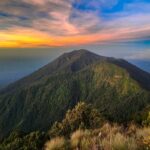
Even though Fuego and Acatenango often steal the spotlight with their dramatic displays, Agua Volcano has a quiet strength that sets it apart. Its perfect cone shape makes it one of the most photogenic volcanoes in Guatemala. Its presence defines Antigua’s charm, adding beauty and depth to every sunrise and sunset.
Unlike Fuego, which rumbles with danger, or Acatenango, which challenges your stamina, Agua invites you to slow down and admire its stillness. It may not erupt, but it erupts in hearts through its symbolism, history, and beauty.
Tips for Experiencing Agua Volcano
If you plan to explore Agua Volcano, here are a few suggestions:
- Enjoy the View from Antigua – The best way to appreciate Agua is from a rooftop café, a hotel terrace, or one of Antigua’s viewpoints. Sunrise and sunset are particularly magical.
- Learn Its History – Visit Ciudad Vieja to understand the 1541 mudslide and how it changed Guatemala forever. Standing in the ruins adds perspective to Agua’s importance.
- Photography Opportunities – Bring a camera or phone because Agua is incredibly photogenic. Mornings often offer the clearest skies, while evenings paint the volcano with golden light.
- Consider Safety if Hiking – If you want to climb Agua, do so with a trusted guide and local support. While less popular than Acatenango, some tours offer safe treks.
- Pair it with Acatenango or Pacaya – For a complete volcano experience, enjoy Agua from Antigua, then hike one of the more active or accessible volcanoes nearby for adventure.
Plan Your Adventure with Tropicana
At Tropicana, we help travelers experience the best of Guatemala’s volcanoes. While Agua Volcano is admired mostly from afar, we offer guided packages to hike nearby Acatenango and Pacaya, two of the country’s most thrilling volcanoes.
We also provide shuttle services if you’d like to explore other destinations across Guatemala. To make your trip even easier, we have accommodation options in Antigua Guatemala, perfect for resting before or after your volcano adventure. Staying with us also means you’ll have easy access to Antigua’s best viewpoints of Agua Volcano.
Whether you want to take on Acatenango’s tough climb, witness Pacaya’s lava fields, or simply relax in Antigua while enjoying the view of Agua Volcano, we’re here to make it happen. Contact us anytime—we’d love to help plan your Guatemalan adventure.
Agua Volcano: Calm in the Midst of Fire
When comparing Agua Volcano with Fuego and Acatenango, the differences are striking. Fuego represents constant fire and activity. Acatenango embodies challenge and reward. Agua, on the other hand, is the picture of serenity and timeless beauty.
Each volcano offers something unique. But Agua stands out as the one that grounds Antigua with its steady presence. It may not roar with eruptions, but its silent watch over the city makes it unforgettable.
If you want to understand Guatemala’s volcanic soul, don’t just chase the fiery eruptions. Take a moment to admire Agua Volcano—its stillness tells a story as powerful as fire.
 Previous Post
 Next Post