
Tajumulco Volcano in Guatemala vs Central America’s Other Highest Mountains
When people think about epic mountain adventures in Central America, one name often stands out: Tajumulco Volcano, Guatemala. As the highest peak in the country, Tajumulco attracts hikers who want a true high-altitude challenge. However, Tajumulco is not the only giant in the region. Central America is home to several towering mountains that offer different landscapes, hiking styles, and cultural experiences.
In this guide, we compare Tajumulco Volcano in Guatemala with other high peaks in Central America. We look at height, difficulty, scenery, and what kind of traveler each mountain suits best. By the end, you will know which summit matches your adventure goals.
Overview: The Highest Mountains in Central America
Central America stretches from southern Mexico to Panama. Even though the region is small, it has impressive mountain ranges. Most of these peaks are volcanoes formed by tectonic activity along the Pacific Ring of Fire.
Here are some of the highest mountains in Central America:
- Tajumulco Volcano, Guatemala – 4,220 meters
- Tacaná Volcano, Guatemala/Mexico – 4,092 meters
- Cerro Chirripó, Costa Rica – 3,820 meters
- Cerro Las Minas, Honduras – 2,870 meters
- Volcán Barú, Panama – 3,475 meters
Among all of them, Tajumulco Volcano in Guatemala remains the tallest. That alone makes it special. However, height is not the only factor that defines a great mountain experience.
Tajumulco Volcano, Guatemala: The Highest Point in Central America
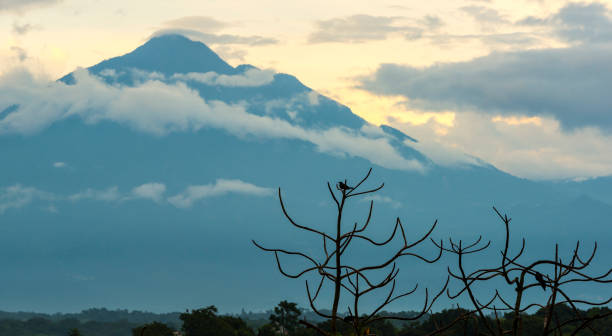
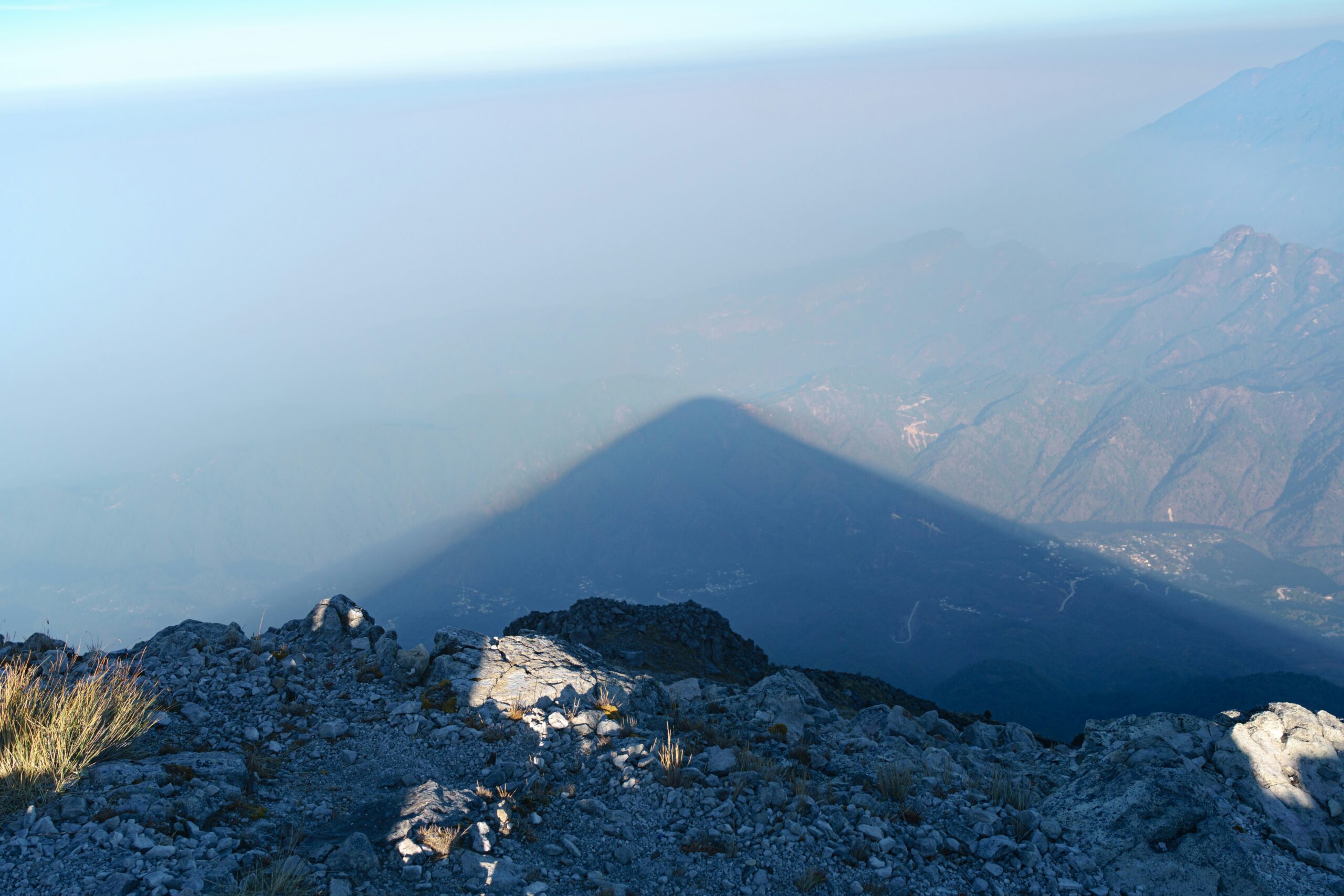
Tajumulco Volcano sits in the San Marcos department in western Guatemala. It rises high above nearby towns and farming communities. At 4,220 meters (13,845 feet), it is not only the highest volcano in Guatemala. It is also the highest mountain in all of Central America.
What Makes Tajumulco Unique?
First, Tajumulco offers a true high-altitude experience. Many hikers feel the thin air as they climb. Therefore, proper pacing and acclimatization matter.
Second, Tajumulco feels remote. Unlike popular volcanoes like Acatenango or Pacaya, Tajumulco has fewer tourists. As a result, you get a more raw and peaceful adventure.
Third, the views are stunning. On clear days, you can see other volcanoes, nearby valleys, and even the Pacific Ocean in the distance.
Difficulty Level
Tajumulco is considered a challenging hike. The trail includes steep slopes, cold weather, and long hours of walking. Even experienced hikers feel tired near the summit.
However, the trail does not require technical climbing skills. You mainly need good fitness, warm clothing, and enough water.
Tacaná Volcano: The Border Giant
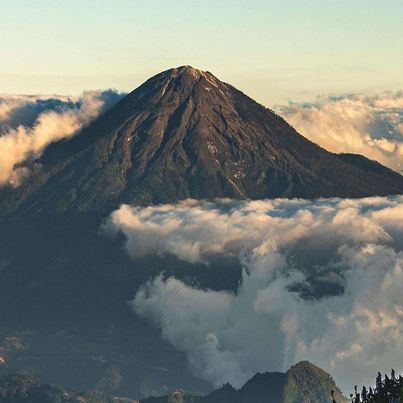
Tacaná Volcano stands on the border between Guatemala and Mexico. It reaches 4,092 meters, which makes it the second-highest peak in Central America.
How Tacaná Compares to Tajumulco
Tacaná is slightly lower than Tajumulco. However, many hikers say Tacaná feels more demanding. The route is longer and often muddier. Also, the jungle sections feel dense and wild.
In contrast, Tajumulco Volcano in Guatemala has a more open landscape near the summit. Therefore, hikers often prefer Tajumulco for better views.
Still, Tacaná offers a unique cross-border experience. You can literally stand in two countries at once. That alone makes it a special climb.
Cerro Chirripó: Costa Rica’s Crown

Cerro Chirripó is the highest mountain in Costa Rica at 3,820 meters. It sits inside Chirripó National Park and attracts hikers from around the world.
Why Chirripó Is Different
Unlike Tajumulco, Chirripó has strict park rules. You need permits, reservations, and assigned lodging. Therefore, planning matters more.
However, the trail is well-maintained. You walk through forests, cloud zones, and alpine landscapes. The experience feels organized and safe.
Compared to Tajumulco Volcano in Guatemala, Chirripó feels more tourist-friendly. Tajumulco feels more rugged and independent.
Volcán Barú: Panama’s Two-Ocean View
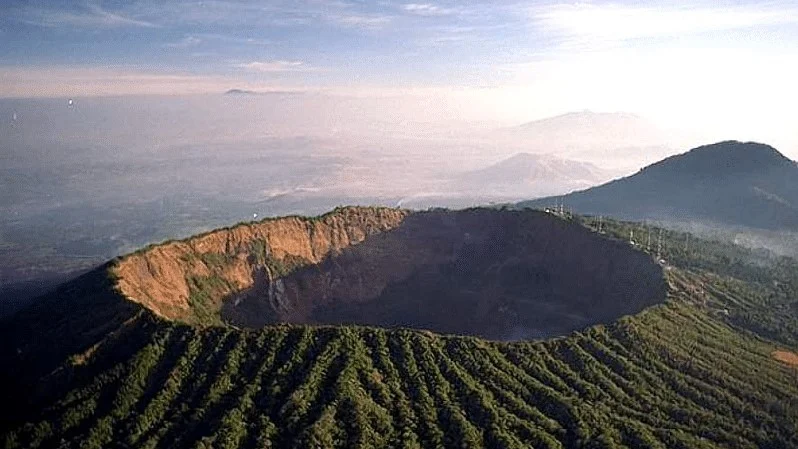
Volcán Barú rises to 3,475 meters and is Panama’s highest point. On very clear days, hikers can see both the Pacific Ocean and the Caribbean Sea from the summit.
Barú vs Tajumulco
Barú has a paved road to the top. Some visitors even drive up. Therefore, the physical challenge feels lower than Tajumulco.
In contrast, Tajumulco Volcano in Guatemala demands real effort. You must hike for hours, deal with cold nights, and manage altitude.
Barú offers unique views. Tajumulco offers a deeper adventure.
Cerro Las Minas: Honduras’ Hidden Peak

Cerro Las Minas stands at 2,870 meters. It is Honduras’ highest mountain, yet many travelers never hear about it.
Why It Stays Unknown
The area lacks tourist infrastructure. Trails are harder to access. Also, fewer guides operate in the region.
As a result, Cerro Las Minas attracts only serious explorers. Meanwhile, Tajumulco Volcano in Guatemala remains more reachable and better known among adventure travelers.
Which Mountain Is Best for You?
Each mountain offers a different type of experience. The best choice depends on your goals.
Choose Tajumulco if:
- You want the highest peak in Central America
- You enjoy remote and less crowded trails
- You want a serious hiking challenge
- You like raw and authentic adventures
Choose Chirripó if:
- You prefer organized parks
- You want safe and marked trails
- You like comfortable lodging
Choose Barú if:
- You want epic views with less effort
- You enjoy road access
- You want a short adventure
Why Tajumulco Volcano in Guatemala Still Stands Out
Among all Central American peaks, Tajumulco Volcano in Guatemala offers the best balance between height, challenge, and accessibility.
It feels wild, but not impossible; it feels high, but still safe with preparation; and it feels remote, but still reachable from major cities like Quetzaltenango.
That combination makes Tajumulco a dream destination for hikers who want to push their limits.
How to Prepare for High-Altitude Mountains
No matter which mountain you choose, preparation matters.
Here are some simple tips:
- Train your legs before the hike
- Drink plenty of water
- Walk slowly at high altitudes
- Bring warm layers
- Eat enough food
- Sleep well before the climb
These steps help reduce fatigue and altitude sickness.
Explore Guatemala’s Volcanoes with Tropicana
If Tajumulco inspires you, then Guatemala has even more to offer. From active volcanoes to scenic peaks, the country is a paradise for adventure lovers.
Tropicana is a trusted tour operator in Guatemala that helps travelers explore the best destinations safely and comfortably. While Tajumulco is more remote, Tropicana offers amazing tour packages to:
These two are perfect for hikers who want stunning views, lava flows, and unforgettable sunsets.
In addition, Tropicana provides:
- Shuttle services across Guatemala
- Transfers between cities and tourist spots
- Accommodation options in Antigua Guatemala
You can stay in Antigua before or after your volcano adventure. This makes travel easy and stress-free.
Whether you want to hike, explore, or relax, Tropicana helps you build the perfect itinerary.
Contact Tropicana anytime if you need help with your Guatemalan adventure. Our team can guide you with routes, transport, and local tips.
Final Thoughts
Central America offers some of the most exciting mountain experiences in the world. Yet among all the giants, Tajumulco Volcano in Guatemala remains the true king.
It stands taller than every other peak in the region. It offers raw landscapes, real altitude, and deep adventure. While mountains like Chirripó and Barú bring comfort and structure, Tajumulco brings challenge and authenticity.
If your goal is to conquer the highest point in Central America, then Tajumulco should be at the top of your list. And if you want to explore more volcanoes in Guatemala, Tropicana is ready to help you every step of the way.
 Previous Post
 Next Post