

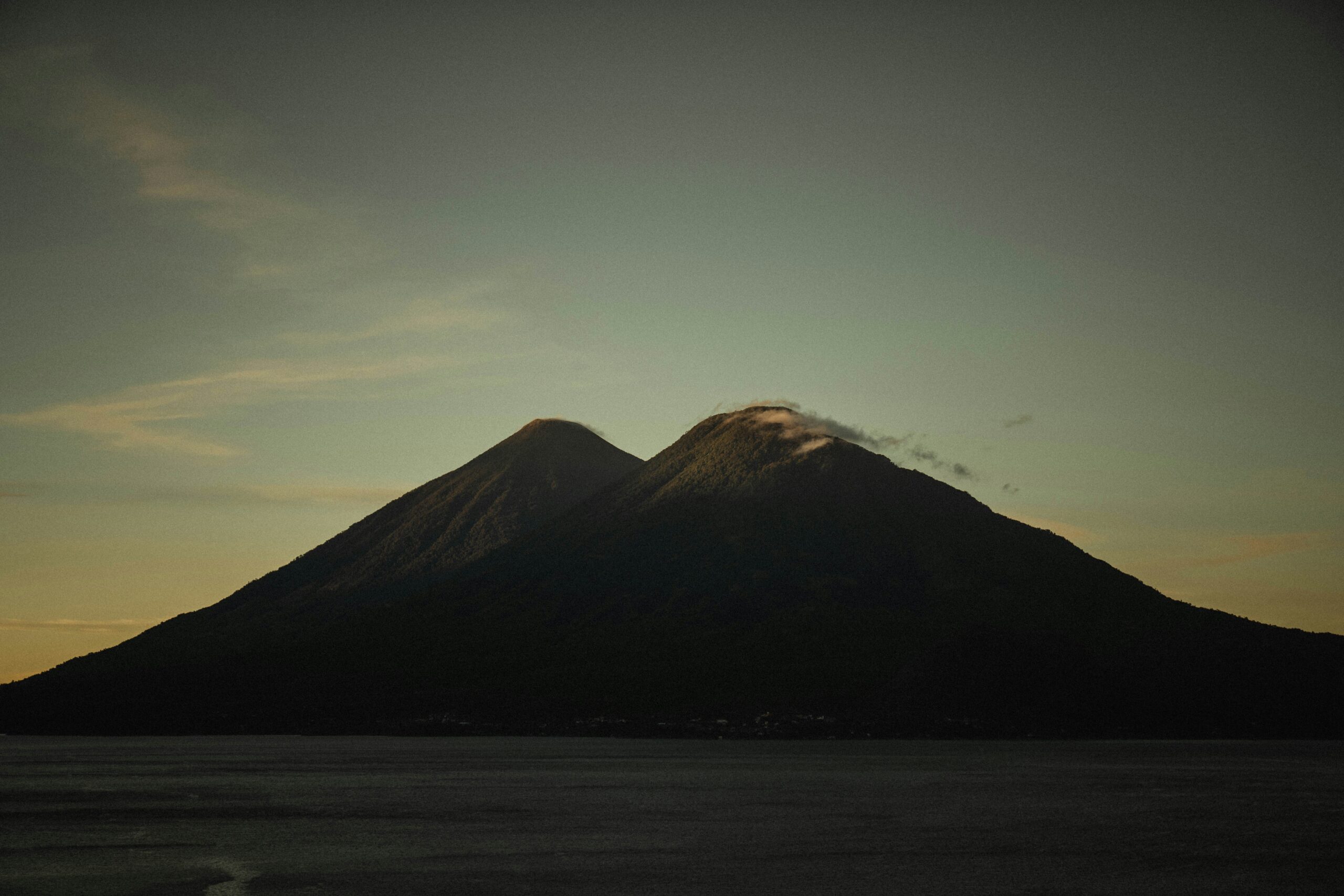
Exploring the Eruption History and Volcanic Activity of Atitlan Volcano
Atitlan Volcano is one of the most impressive natural sights in Guatemala. It rises high above the southern edge of Lake Atitlán and instantly captures attention. With its steep slopes and near-perfect cone shape, this volcano looks calm and beautiful. However, beneath that calm surface lies a powerful natural force.
Standing at about 3,535 meters above sea level, Atitlan Volcano is one of the tallest volcanoes in the country. It sits next to two other famous peaks, Tolimán and San Pedro. Together, they create one of the most photographed landscapes in Central America.
In this guide, we will explore the eruption history of Atitlan Volcano, its current activity, and how scientists monitor it today. We will also explain how you can visit the area safely with the help of Tropicana, a trusted tour operator in Guatemala.
Where Is Atitlan Volcano Located?
Atitlan Volcano sits along the southern shore of Lake Atitlán in the Guatemalan highlands. It belongs to the Sierra Madre mountain range, which forms part of the Pacific Ring of Fire. This region is known for earthquakes and volcanic activity.
Because of its location, the volcano plays a major role in shaping the surrounding land. Over time, eruptions from Atitlan Volcano have helped form fertile soil, dense forests, and rich ecosystems around the lake. As a result, many nearby towns depend on this land for farming and daily life.
Although the volcano looks peaceful from a distance, scientists still classify Atitlan Volcano as active.
Why Atitlan Volcano Is Geologically Important
Atitlan Volcano is not just beautiful. It is also very important to scientists. By studying this volcano, researchers learn more about how volcanoes behave across Guatemala.
The volcano formed after a massive ancient collapse of an older volcanic structure. Over time, lava flows, ash layers, and eruptions rebuilt the cone we see today. These layers act like a natural history book, showing how the volcano has changed through the centuries.
Because of this, Atitlan Volcano helps scientists understand volcanic risks and improve safety planning for nearby communities.
A Look at the Eruption History of Atitlan Volcano

Understanding the past helps predict the future. The eruption history of Atitlan Volcano gives us valuable clues about how it may behave again.
1. The 1469 Eruption
One of the earliest known eruptions happened around the year 1469. Although no written records exist from that time, scientists discovered strong evidence through geological research.
This eruption was likely violent. It probably released pyroclastic flows, which are fast-moving clouds of hot gas, ash, and rock. These flows can destroy everything in their path. The eruption reshaped the land and covered large areas with volcanic material.
Even today, thick layers of ash from this event still enrich the soil around Lake Atitlán. This eruption shows how powerful the Atitlan Volcano can be.
2. The 1853 Eruption
The most recent major eruption occurred in 1853. This eruption was well documented and remains an important reference for scientists.
During this event, the volcano sent ash high into the air. Lava flows moved down its slopes and changed the shape of the land. Ash fell on nearby villages and farms, damaging crops and affecting daily life.
Although the eruption ended, its impact lasted for months. Farmers had to adapt to new soil conditions, and communities worked together to recover. This eruption confirmed that Atitlan Volcano is still capable of major activity.
Is Atitlan Volcano Still Active?
Yes, Atitlan Volcano is still considered active, even though it has not erupted in recent decades. Scientists continue to monitor it closely because it shows signs of life beneath the surface.
These signs include small earthquakes, gas releases, and slow ground movement. Together, they tell researchers that magma may still exist deep below the volcano.
Signs of Activity at Atitlan Volcano
Seismic Activity
Small earthquakes often occur around Atitlan Volcano. These tremors happen when magma moves underground or when pressure builds inside the volcano.
Scientists track these movements carefully. Even tiny earthquakes matter because they can signal changes before an eruption. Thanks to modern tools, experts can detect patterns early and alert authorities if needed.
Gas Emissions
Atitlan Volcano releases gases such as sulfur dioxide and carbon dioxide. These gases escape through cracks and vents in the rock.
An increase in gas levels often means magma is moving closer to the surface. Because of this, scientists measure gas output regularly. These measurements help them understand what is happening inside the volcano.
Ground Deformation
Another important sign is ground deformation. This happens when the volcano slightly changes shape. The ground may rise, tilt, or crack due to pressure below.
Scientists use GPS tools and sensors to detect even small changes. When they see unusual movement, they investigate further to determine the cause.
How Scientists Monitor Atitlan Volcano
Keeping people safe is a top priority. That is why Atitlan Volcano is under constant watch.
INSIVUMEH Monitoring
Guatemala’s National Institute for Seismology, Volcanology, Meteorology, and Hydrology, known as INSIVUMEH, leads monitoring efforts.
INSIVUMEH operates stations around the volcano that track earthquakes, gas levels, and surface movement. Experts analyze this data every day to look for warning signs.
International Support
INSIVUMEH also works with international organizations like the United States Geological Survey. These partnerships allow scientists to share data, tools, and research.
Because of this teamwork, monitoring systems continue to improve, and warnings become more accurate.
Community Awareness
Local communities play a big role in safety. Residents learn how to recognize early warning signs, such as unusual smells, ash, or ground shaking.
Authorities conduct drills and training sessions so people know how to respond during emergencies. This local involvement saves lives and builds confidence.
Early Warning Systems
Modern early warning systems combine data from seismic sensors, gas detectors, and satellites. When unusual activity is detected, alerts are issued through radio, television, and mobile networks, giving people enough time to evacuate safely.
Safety and Preparedness Around Atitlan Volcano
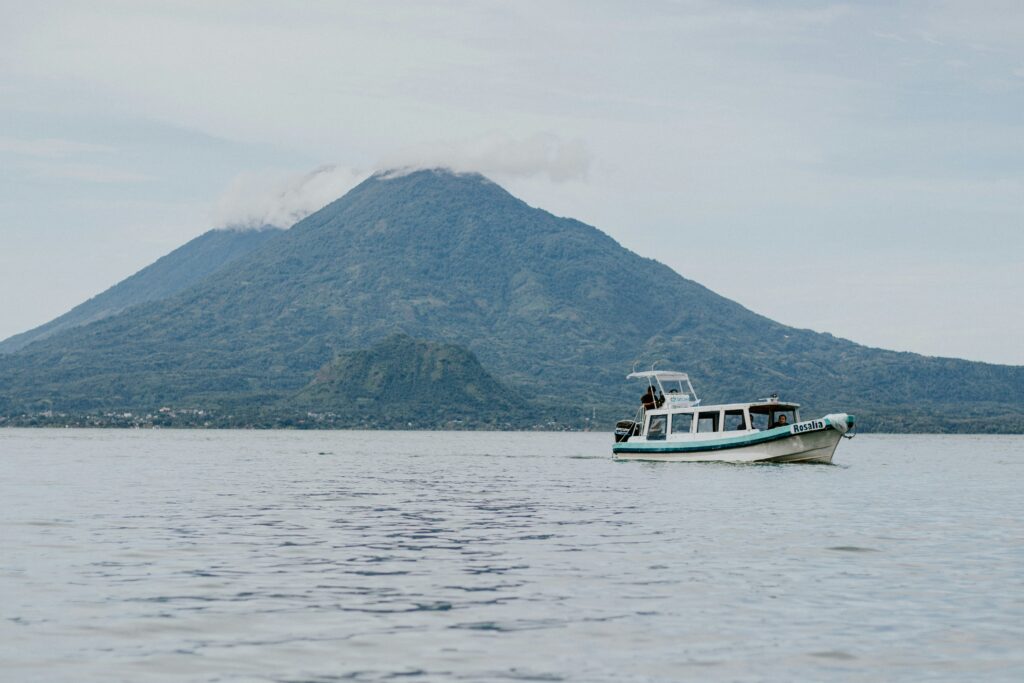
Living near an active volcano requires preparation. The Guatemalan government works closely with local leaders to reduce risks.
Evacuation Plans
Towns near Atitlan Volcano have clear evacuation routes. Signs guide people toward safe areas and shelters.
Regular drills help families practice what to do during an emergency. This preparation helps prevent panic.
Public Education
Education programs teach people how to prepare emergency kits and stay informed. Radios, mobile alerts, and local announcements help spread information quickly.
When people understand risks, they can respond calmly and safely.
Infrastructure Support
Authorities continue to invest in maintaining roads, communication systems, and rescue resources. These improvements are vital for rapid emergency response and recovery in the event of volcanic activity.
Visiting Atitlan Volcano Safely
Despite its activity, Atitlan Volcano attracts many travelers each year. Visitors enjoy hiking, photography, and breathtaking views of Lake Atitlán.
Hiking routes pass through forests, lava rock, and scenic viewpoints. From the slopes, you can see the lake, nearby volcanoes, and colorful villages below.
However, safety always comes first. Guided tours help visitors explore responsibly while respecting local conditions.
Explore Atitlan Volcano With Tropicana
If you plan to visit Atitlan Volcano, Tropicana can help make your trip smooth and safe.
We offer:
- Guided volcano tours, including Acatenango and Pacaya
- Shuttle services across Guatemala, including Lake Atitlán
- Comfortable stay in Antigua Guatemala
At Tropicana, we focus on safe and memorable adventures. Our experienced guides understand local conditions and follow safety guidelines at all times.
Whether you want an active hike or peaceful lake views, we help you experience Guatemala with confidence.
Final Thoughts
Atitlan Volcano is more than a beautiful mountain. It is a powerful natural feature with a long history and ongoing activity. Its past eruptions, current signs of life, and constant monitoring remind us that nature never truly rests.
By learning about Atitlan Volcano, we gain respect for its power and beauty. With proper preparation and expert guidance, visitors can enjoy this stunning destination safely.
When you are ready to explore Guatemala’s volcanic landscapes, let Tropicana guide your journey from start to finish.
 Previous Post
 Next Post