
Hiking Safety Tips for Guatemala’s Peak Season: Your Guide to a Safe Trek
Guatemala’s peak hiking season is a magical time for outdoor enthusiasts. The dry season, typically from November to April, offers clear skies, breathtaking views, and ideal trail conditions. While these months are perfect for exploring, staying safe should always come first. Whether you’re hiking volcanoes, forests, or nature reserves, these hiking safety tips will help ensure an enjoyable and secure adventure.
1. Research Your Trail in Advance
Planning ahead is key to a safe and enjoyable hike. Start by gathering as much information as possible about your chosen trail. Learn about its difficulty level, estimated hiking time, terrain type, and elevation gain. Check if a guide is required or highly recommended, especially for popular trails like Acatenango or Pacaya. Online forums, travel blogs, and local tour operators are excellent sources of advice and tips from experienced hikers. Knowing what to expect helps you prepare better and reduces potential risks.
If you’re looking to simplify your planning, reach out to Tropicana. We specialize in organizing guided tours to Acatenango and Pacaya. Our team can assist with everything from accommodations to transportation, ensuring your adventure is seamless and stress-free. Feel free to contact us anytime—we’re here to help you every step of the way, so you can focus on enjoying your journey.
2. Check the Weather Forecast
Even during the dry season, Guatemala’s weather can be unpredictable. Always check the forecast before your hike. Clear skies in the morning can quickly turn cloudy, especially in higher altitudes. Strong winds or sudden temperature drops are common on volcanoes. If bad weather is predicted, reschedule your hike to avoid unnecessary risks.
3. Dress in Layers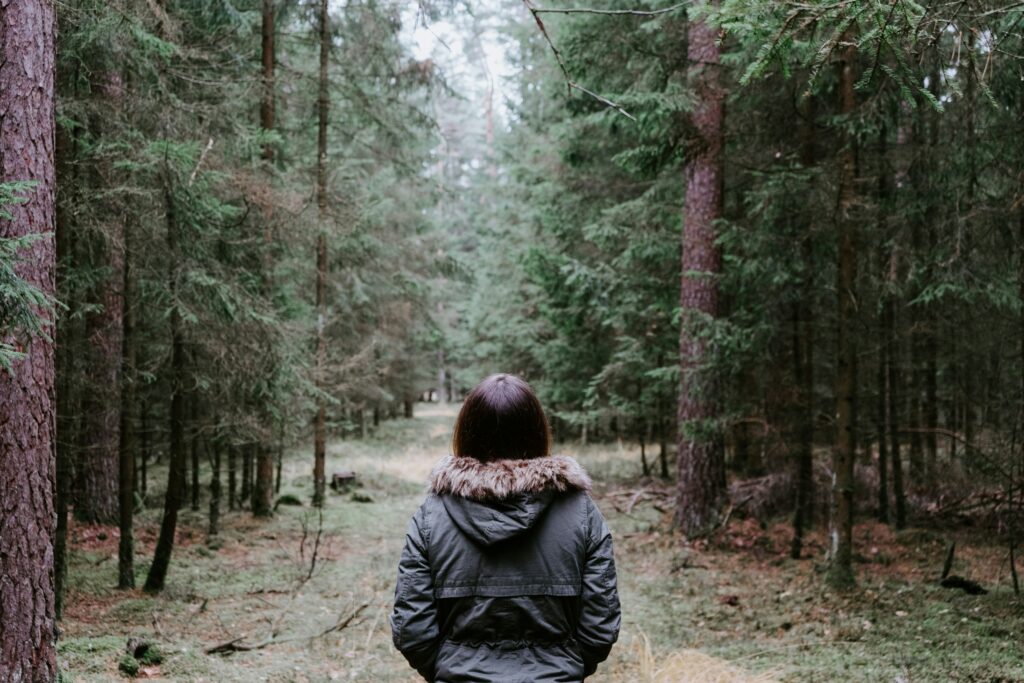
Temperature changes are significant in Guatemala, especially when hiking volcanoes. Mornings may be chilly, but you’ll warm up as you climb. Pack a moisture-wicking base layer, a warm middle layer, and a waterproof jacket. Don’t forget a hat and gloves if you’re tackling high-altitude peaks like Tajumulco or Acatenango.
4. Wear Proper Hiking Shoes
Comfortable, sturdy shoes with good traction are a must. Trails in Guatemala often involve steep, uneven, or rocky terrain. Sneakers won’t provide the grip or support needed for challenging paths. Invest in quality hiking boots to protect your feet and reduce the risk of slips or injuries.
5. Pack Essential Gear
Bring a well-stocked backpack to cover all essentials. Include:
- A map or GPS device
- Plenty of water (at least 2 liters per person)
- Snacks and energy bars
- A first-aid kit
- Sunscreen and sunglasses
- A flashlight or headlamp with extra batteries
- A fully charged phone or power bank
Packing these items ensures you’re ready for any situation, from unexpected delays to minor injuries.
6. Hike with a Guide or Group

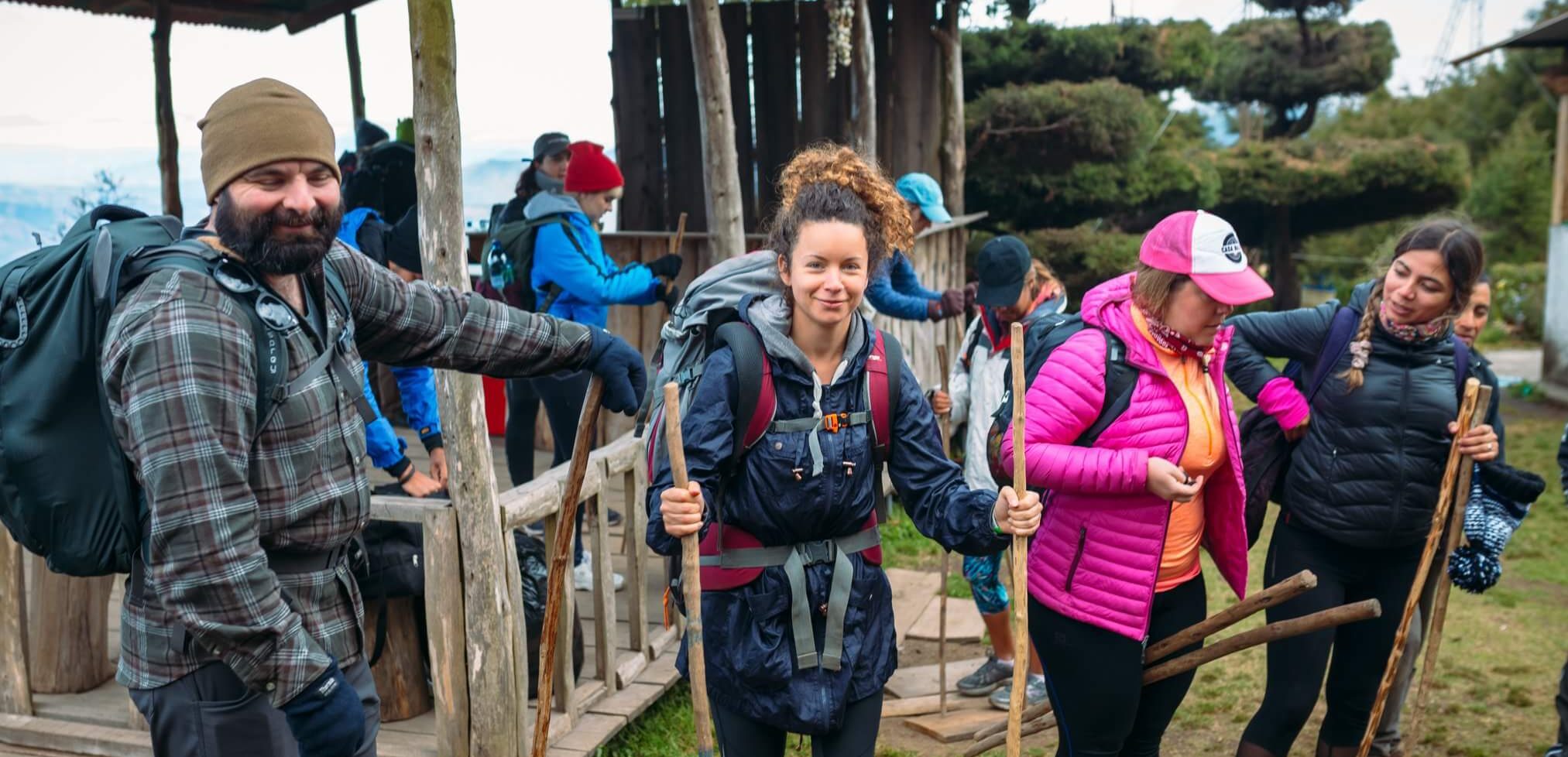
While solo hiking can be tempting, going with a guide or group is safer, especially in unfamiliar areas. Guides are familiar with the terrain, potential dangers, and local weather patterns. They can also share interesting facts about the area. If you prefer hiking independently, let someone know your plans, including your route and expected return time.
7. Start Early in the Day
Starting your hike early has many benefits. Mornings are cooler, making the climb more comfortable. You’ll also have plenty of daylight to complete your trek and enjoy the views. Night hiking is riskier, even with a flashlight, due to limited visibility and potential wildlife encounters.
8. Stay Hydrated and Eat Well
Dehydration can sneak up on you, especially in warm, dry conditions. Drink water regularly, even if you don’t feel thirsty. Pack lightweight, high-energy snacks to keep your energy levels up. Avoid alcohol and caffeine before and during your hike, as they can dehydrate you.
9. Respect Your Limits
Know your fitness level and don’t push yourself too hard. If a trail feels too difficult, turn back. Overexertion can lead to injuries or exhaustion, making the descent more dangerous. Listen to your body and rest when needed.
10. Be Prepared for Altitude Sickness
Many of Guatemala’s volcanoes and trails are at high altitudes. Symptoms of altitude sickness include headache, nausea, dizziness, and shortness of breath. To prevent this, acclimatize by spending a day or two at higher altitudes before your hike. Stay hydrated and avoid alcohol. If you feel symptoms, descend immediately to a lower elevation.
11. Follow Local Guidelines

Guatemala’s natural areas often have rules to protect the environment and ensure safety. Stick to marked trails to avoid getting lost or damaging fragile ecosystems. Respect local communities and their customs, especially if the trail passes through villages. If you’re visiting protected areas, follow any guidelines set by park authorities.
12. Beware of Wildlife and Insects
Guatemala is home to diverse wildlife, including snakes, spiders, and insects. Most are harmless, but it’s best to stay cautious. Wear long sleeves and pants to protect against insect bites. Avoid touching plants or animals you’re unfamiliar with. If you encounter a wild animal, keep your distance and don’t try to feed it.
13. Bring Cash for Fees or Emergencies
Many hiking areas in Guatemala charge small entrance fees. Some remote locations don’t accept credit cards, so bring cash in local currency. It’s also helpful in case you need to buy snacks, hire a guide, or handle unexpected situations.
14. Stay Alert and Aware
Pay attention to your surroundings at all times. Watch for loose rocks, slippery spots, or sudden drop-offs. If you’re hiking near volcanic activity, follow all safety advisories. Always trust your instincts—if something doesn’t feel safe, don’t proceed.
15. Leave No Trace
Respect Guatemala’s natural beauty by practicing Leave No Trace principles. Carry out all your trash, including food wrappers and water bottles. Avoid picking plants or disturbing wildlife. By leaving the trail as you found it, you help preserve it for future hikers.
16. Know Emergency Numbers
In case of an emergency, it’s important to know who to contact. Guatemala’s national emergency number is 122, and you can reach the fire department at 123. Save these numbers on your phone and inform your guide or group leader if any issues arise.
17. Plan for Post-Hike Recovery
After a long day of hiking, give your body time to recover. Stretch to prevent muscle soreness, hydrate, and eat a nutritious meal. Rest well so you’re ready for your next adventure.
Final Thoughts
Hiking in Guatemala during the peak season is an unforgettable experience. By following these hiking safety tips, you can enjoy the stunning landscapes while staying safe and prepared. Remember to research your trail, pack wisely, and listen to your body. With the right mindset and preparation, your hiking adventure in Guatemala will be both thrilling and safe.
 Previous Post
 Next Post