
Environmental Tips: Climbing Acatenango Responsibly With Leave No Trace Practices
Climbing Acatenango is one of the most unforgettable adventures in Guatemala. The trail offers stunning views, changing landscapes, and front-row seats to Fuego Volcano’s eruptions. However, this beauty comes with responsibility. Every hiker plays a role in protecting this fragile environment. That is why responsible travel matters when climbing Acatenango.
More people hike Acatenango every year. While tourism supports local communities, it also increases pressure on the trail, campsites, and wildlife. Without care, erosion grows, trash builds up, and natural habitats suffer. Fortunately, simple actions can protect the volcano for future hikers.
In this guide, we explain how to practice Leave No Trace principles while climbing Acatenango. We also share how we, at Tropicana, support responsible tourism through guided tours, shuttles, and accommodations in Antigua Guatemala.
Why Responsible Travel Matters When Climbing Acatenango
Acatenango is not just a hiking trail. It is a living ecosystem. Forests, volcanic soil, birds, and native plants depend on balance. When hikers leave trash or step off the trail, damage happens fast.
Moreover, volcanic terrain takes a long time to recover. A single shortcut can cause erosion that lasts for years. Plastic waste often blows downhill and reaches nearby communities. Even food scraps attract animals and change their behavior.
Because of this, responsible climbing on Acatenango protects both nature and local people. It also improves the experience for everyone on the trail.
What Leave No Trace Means on Acatenango
Leave No Trace is a set of outdoor ethics. These rules help hikers reduce their impact while exploring nature. When climbing Acatenango, these principles matter even more due to the volcano’s popularity.
Here are the key ideas you should always follow:
- Plan ahead
- Stay on marked trails
- Carry out all waste
- Respect wildlife
- Protect plants and soil
- Be considerate of others
Each principle works together. When you follow them, you help preserve Acatenango’s beauty.
Plan Ahead for a Responsible Climb
Planning is the first step toward responsible climbing of Acatenango. When hikers prepare well, they make fewer mistakes on the trail.
First, choose a reputable tour operator. A good guide knows the trail rules and enforces them. We at Tropicana train our guides to follow environmental practices on every hike.
Next, pack wisely. Bring reusable items instead of disposable ones. For example, use a refillable water bottle instead of plastic bottles. Bring reusable utensils and food containers.
Also, check the weather before your hike. Rain increases erosion risk. When hikers rush or panic, they often step off the trail. Good planning helps you stay calm and focused.
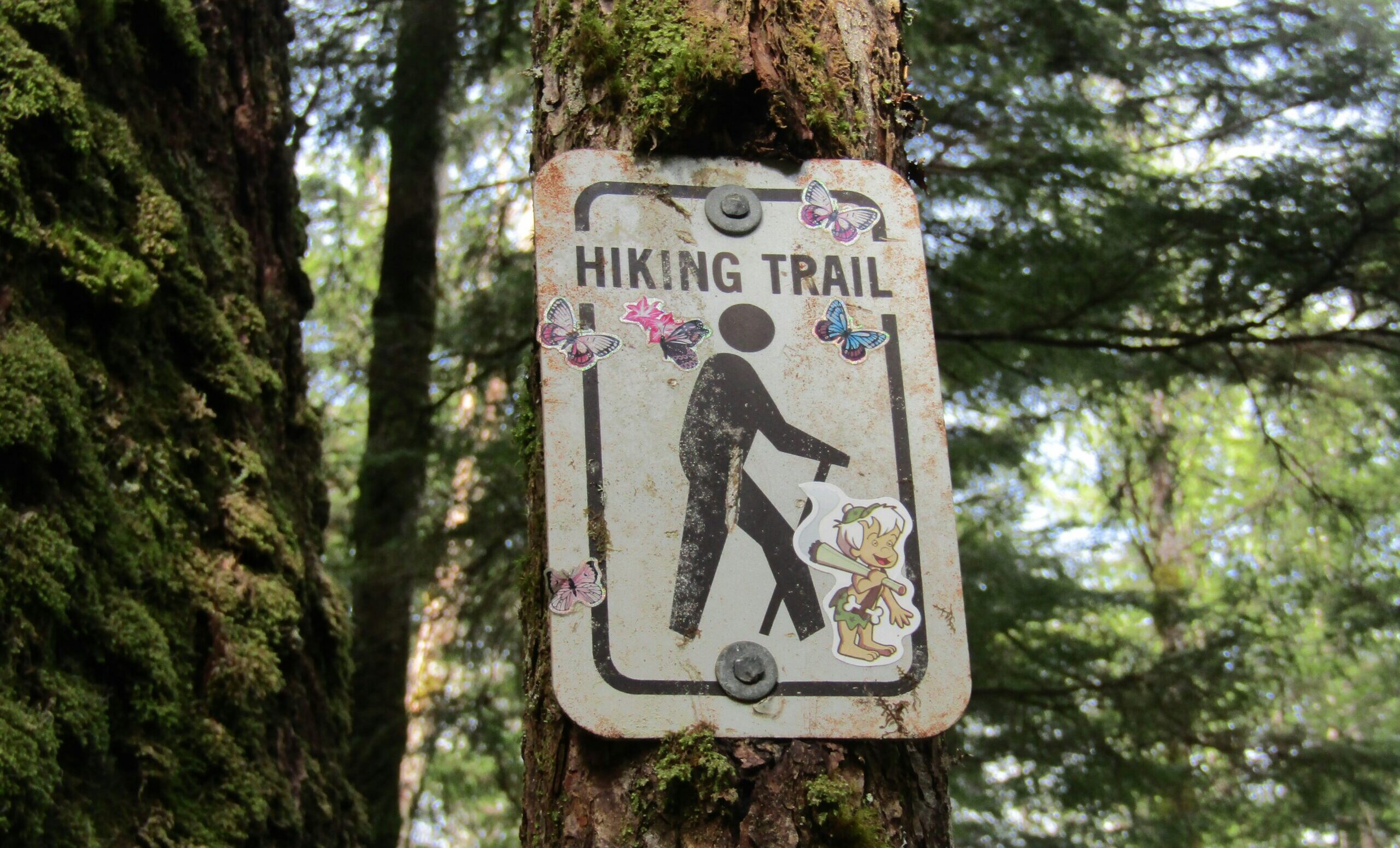
Stay on the Trail at All Times
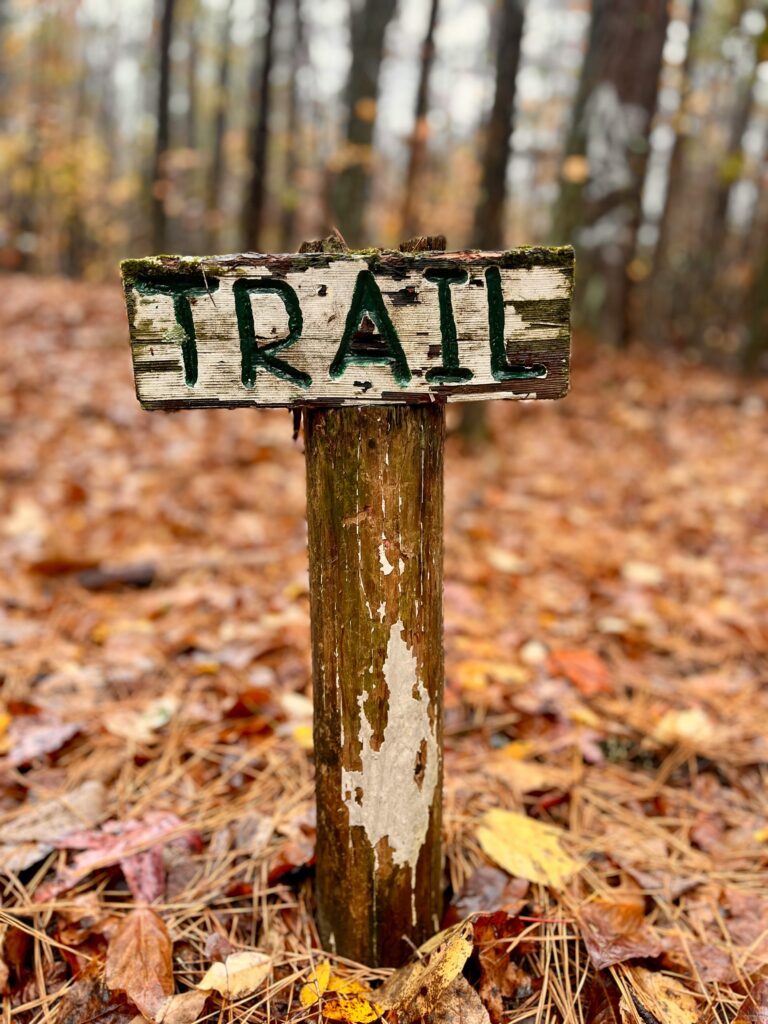
Staying on marked trails is one of the most important rules when climbing Acatenango. Although shortcuts look tempting, they cause serious damage.
When hikers cut switchbacks, soil loosens quickly. Rain then washes the soil downhill. Over time, this damages the trail and makes hikes harder for everyone.
Additionally, stepping off the trail harms plants that take years to grow back. Volcanic soil looks tough, but it is fragile.
Therefore, always follow your guide and stay on the established path. Even during breaks, avoid wandering into nearby vegetation.
Pack Out Everything You Bring In
Trash is one of the biggest problems on Acatenango. Sadly, many hikers leave food wrappers, tissues, or broken gear behind.
When climbing Acatenango, the rule is simple. If you bring it in, you bring it out.
This includes:
- Food packaging
- Tissues and wet wipes
- Snack leftovers
- Empty bottles
- Broken gear
Even biodegradable items do not belong on the volcano. Orange peels and banana skins still harm wildlife and attract animals.
At Tropicana, we remind all hikers to carry small trash bags. Our guides also check campsites before leaving to ensure nothing remains behind.
Use Restrooms and Campsites Properly
Proper waste disposal matters during overnight climbs. Many Acatenango tours include camps with basic toilet facilities. Always use these facilities when available.
If nature calls outside camp, follow your guide’s instructions. Never leave waste near water sources or trails. Always cover waste properly.
At campsites, respect shared spaces. Keep your area clean and organized. Avoid spreading gear across plants or rocks unnecessarily.
Clean campsites reduce pollution and improve safety for everyone.
Respect Wildlife During the Hike
Acatenango is home to birds, insects, and small mammals. While sightings excite hikers, animals should never feel threatened.
Never feed wildlife. Human food harms animals and changes their natural behavior. Once animals rely on people for food, survival becomes harder.
Also, keep noise levels low. Loud music and shouting disturb wildlife and other hikers. Nature sounds add to the experience anyway.
When climbing Acatenango, remember that you are a visitor in the animals’ home.
Protect Plants and Natural Features
Many hikers feel tempted to collect rocks or plants as souvenirs. However, removing natural items damages the environment.
Volcanic rocks help protect soil from erosion. Plants hold the ground together. When hikers remove them, trails weaken faster.
Instead of taking souvenirs, take photos. Capture memories without harming nature.
Also, avoid carving names into trees or rocks. These marks stay for decades and disrespect the land.
Be Considerate of Other Hikers
Climbing Acatenango attracts people from all over the world. Everyone deserves a positive experience.
Yield the trail when needed. Keep noise low near camps. Respect quiet hours, especially at night.
Also, follow your guide’s instructions. Group cooperation keeps everyone safe and reduces environmental impact.
When hikers act responsibly, the trail stays enjoyable for all.
How Guided Tours Support Responsible Climbing on Acatenango

Guided tours play a huge role in protecting Acatenango. Trained guides educate hikers, control group behavior, and reduce damage.
At Tropicana, we focus on responsible tourism. Our Acatenango and Pacaya tour packages follow environmental guidelines. We limit group sizes and choose established campsites.
Our guides explain Leave No Trace rules before the hike begins. They also monitor waste, trail use, and campsite behavior throughout the climb.
Because of this, guided climbs often leave less impact than unguided ones.
Sustainable Travel Beyond the Volcano
Responsible travel does not stop after the hike. Transportation and accommodation choices also matter.
We at Tropicana offer shared shuttle services across Guatemala. We also provide accommodation options in Antigua Guatemala. Staying in one location before and after climbing Acatenango helps reduce unnecessary travel.
By planning your trip efficiently, you reduce your footprint while enjoying more of Guatemala.
Supporting Local Communities Through Responsible Travel
Responsible climbing on Acatenango also supports local communities. Licensed guides, drivers, and staff rely on tourism income.
When you book with ethical operators, your money stays in Guatemala. This supports education, conservation, and livelihoods.
We proudly work with local guides and partners. Our goal is to protect Acatenango while creating meaningful travel experiences.
Final Thoughts: Protect Acatenango for Future Hikers
Climbing Acatenango is a privilege. The views, the challenge, and the volcano’s power create lifelong memories. However, this experience only remains possible if hikers act responsibly.
By following Leave No Trace practices, you help protect the trail, wildlife, and local communities. Small actions make a big difference.
If you plan to climb Acatenango or Pacaya, we at Tropicana are here to help. We offer guided tours, shuttle services across Guatemala, and comfortable stays in Antigua Guatemala. Contact us anytime if you need help planning your Guatemalan adventure.
Together, we can enjoy climbing Acatenango while keeping it wild, clean, and beautiful for years to come.
 Previous Post
 Next Post