
Antigua Guatemala Ruins: Which Historic Sites Are Worth Visiting?
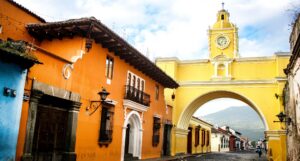
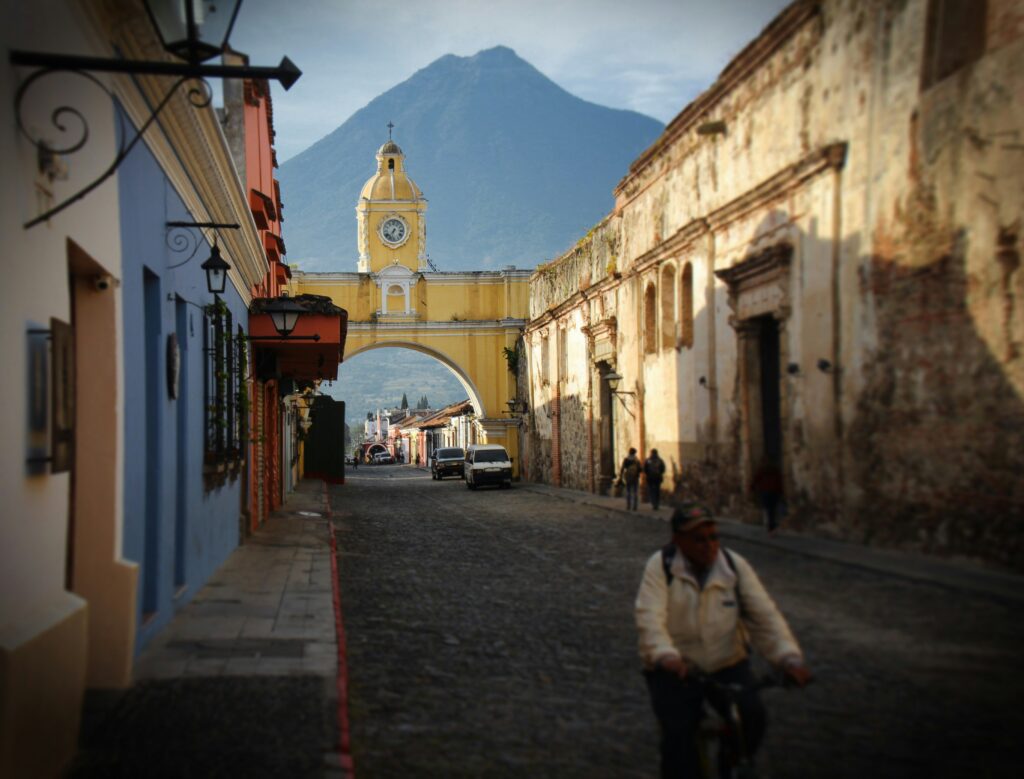
Antigua Guatemala is one of the most beautiful cities in Central America. Its cobblestone streets, colorful buildings, and volcano views attract travelers from around the world. However, one of the city’s biggest highlights is its collection of historic ruins. These landmarks tell the story of Antigua’s colonial past and offer a glimpse into the events that shaped the city.
If you are planning a visit, you may wonder which Antigua Guatemala ruins are worth adding to your itinerary. With several historic sites scattered throughout the city, it can be difficult to know where to start. This guide covers the most impressive ruins and explains why they deserve a spot on your travel plans.
Why Does Antigua Guatemala Have So Many Ruins?
Before exploring the top sites, it helps to understand why Antigua has so many ruins.
Antigua served as the capital of the Kingdom of Guatemala during the Spanish colonial era. The city became an important political, religious, and cultural center. As a result, many churches, convents, monasteries, and public buildings were constructed throughout the city.
However, Antigua experienced several devastating earthquakes during the 1700s. The most destructive event occurred in 1773 when the Santa Marta earthquakes caused severe damage across the city. Afterward, the Spanish Crown moved the capital to present-day Guatemala City.
Many damaged buildings were never fully rebuilt. Instead, their remains became part of the city’s unique character. Today, visitors can walk through these historic structures and learn about Antigua’s fascinating past.
Santa Clara Convent
Santa Clara Convent is often considered one of the most beautiful Antigua Guatemala ruins.
Founded in the early 1700s, the convent served the Order of Saint Clare. Although earthquakes damaged much of the complex, many architectural features remain intact.
Visitors can walk through peaceful courtyards, admire decorative stonework, and explore the remains of fountains and cloisters. The open spaces also make it one of the most photogenic sites in the city.
Many travelers visit Santa Clara because it combines history, architecture, and beautiful gardens in one location. If you enjoy photography, this ruin should be high on your list.
Convento de las Capuchinas
Another must-see site is Convento de las Capuchinas.
Completed in 1736, this convent housed Capuchin nuns and served as one of Antigua’s most important religious institutions. Unlike some ruins, much of the structure remains standing, allowing visitors to better understand its original design.
The most famous feature is the circular tower, which remains a mystery to historians. Some believe it served as living quarters, while others suggest it had a religious purpose.
As you walk through the halls and courtyards, you can appreciate the craftsmanship that went into constructing the complex. The site offers a great balance between preserved architecture and earthquake-damaged sections.
San José Cathedral Ruins
Located near Central Park, the San José Cathedral Ruins are among the most accessible Antigua Guatemala ruins.
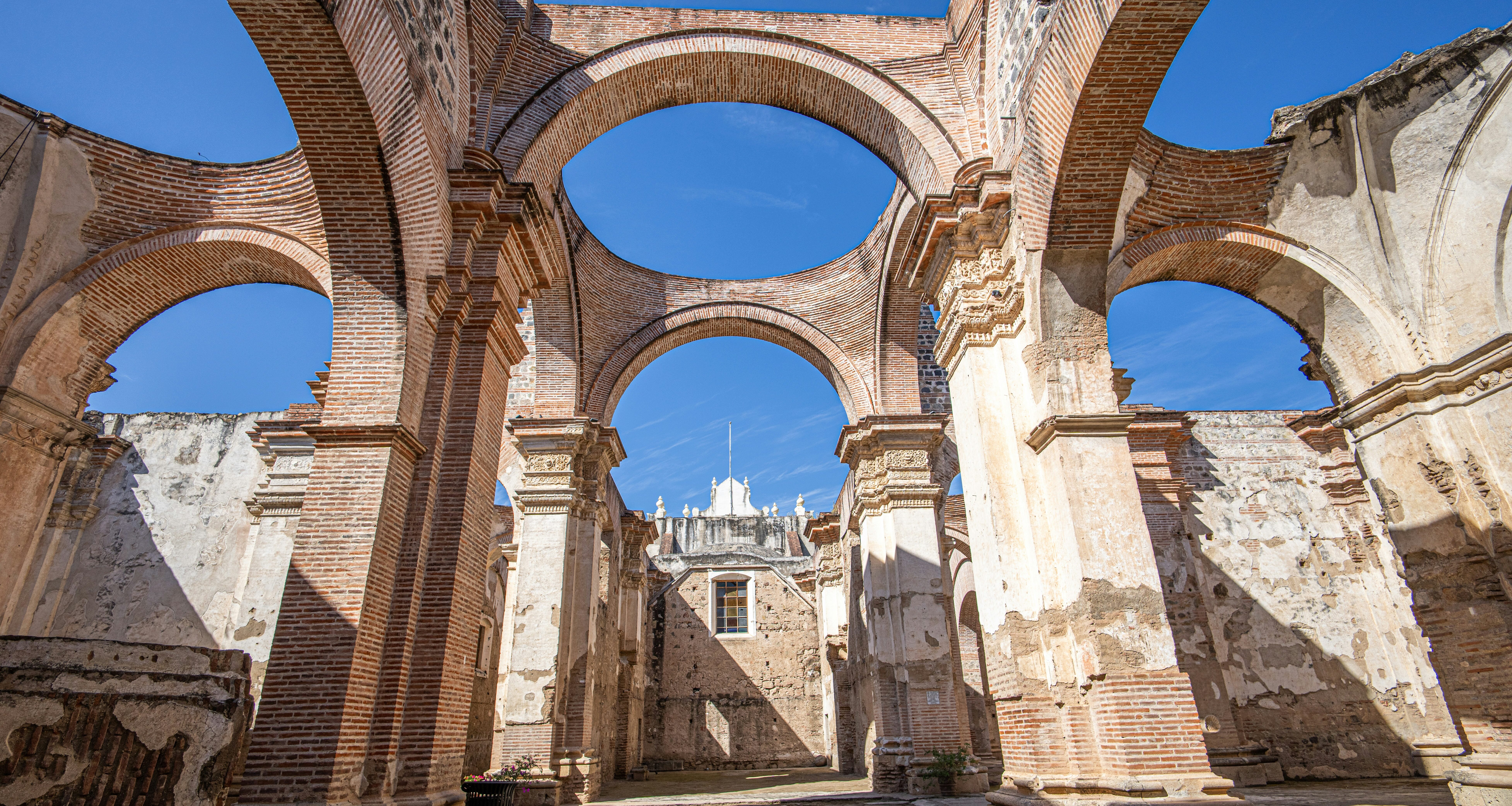
The cathedral once stood as one of the most important churches in colonial Guatemala. While earthquakes destroyed large portions of the structure, visitors can still explore the underground chambers and remaining sections of the building.
The massive stone arches create a dramatic atmosphere that highlights the scale of the original cathedral. Furthermore, the location makes it easy to include this site in a walking tour of Antigua.
History lovers often rank the cathedral ruins among the city’s most fascinating attractions.
La Recolección
If you want to see one of Antigua’s largest ruined complexes, visit La Recolección.
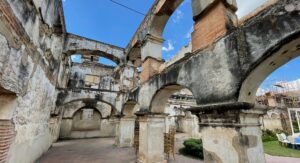
The church and monastery belonged to the Recollect Order and once featured impressive Baroque architecture. Today, giant stone walls and collapsed structures showcase the power of the earthquakes that struck the city centuries ago.
Unlike some smaller sites, La Recolección gives visitors a strong sense of the destruction Antigua experienced. Large chunks of masonry remain scattered across the grounds, creating a dramatic scene.
As a result, this location offers one of the most memorable historical experiences in the city.
Convento de las Carmelitas
Convento de las Carmelitas is often overlooked by visitors. However, it deserves more attention.
Built during the 1700s, this convent features beautiful arches, courtyards, and restored sections. Because it attracts fewer crowds, visitors can enjoy a quieter experience while exploring the site.
The peaceful atmosphere allows you to appreciate the architecture and learn more about daily life during the colonial period.
If you prefer less crowded attractions, this ruin is an excellent choice.
San Francisco Church and Convent
The San Francisco complex combines active religious use with historical significance.
While parts of the church remain operational, visitors can also explore sections damaged by earthquakes. The site is famous for its connection to Hermano Pedro, one of Guatemala’s most beloved saints.
Walking through the grounds provides insight into both Antigua’s religious history and architectural heritage. Therefore, it remains one of the city’s most important landmarks.
Which Antigua Guatemala Ruins Should You Prioritize?
If you only have one day in Antigua, focus on the following sites:
- Santa Clara Convent
- Convento de las Capuchinas
- San José Cathedral Ruins
- La Recolección
These attractions provide a well-rounded introduction to Antigua’s history, architecture, and colonial heritage.
However, if you have extra time, add Convento de las Carmelitas and San Francisco Church to your itinerary. Each site offers a unique perspective on the city’s past.
Tips for Visiting Antigua Guatemala Ruins
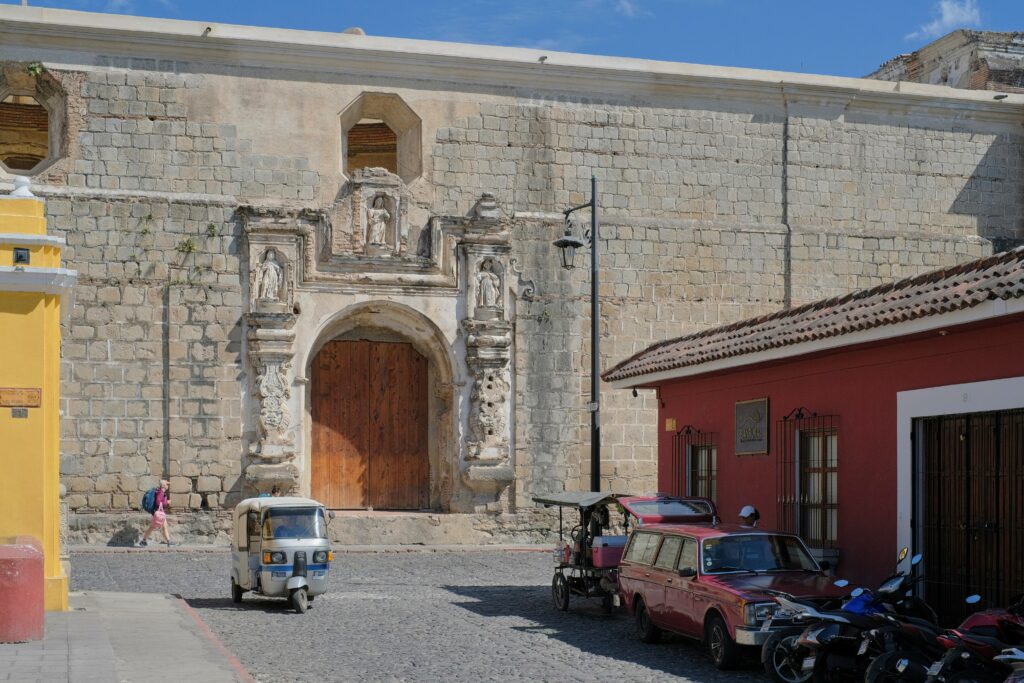
To make the most of your visit, arrive early in the day. Morning hours often bring cooler temperatures and fewer crowds.
Comfortable walking shoes are also essential. Many streets in Antigua feature cobblestones, and you may spend several hours exploring multiple sites.
In addition, bring a camera. The combination of historic architecture, colorful gardens, and volcanic backdrops creates incredible photo opportunities.
Finally, consider hiring a local guide. Learning the stories behind each site can make your experience even more rewarding.
Extend Your Adventure with Tropicana
After exploring the best Antigua Guatemala ruins, why not continue your Guatemalan adventure?
At Tropicana, we help travelers experience some of Guatemala’s most incredible destinations. We offer guided tours to Acatenango Volcano and Pacaya Volcano, two of the country’s most popular outdoor adventures.
If you plan to explore beyond Antigua, we also provide shuttle services to destinations across Guatemala. Whether you are heading to Lake Atitlán, Flores, Semuc Champey, or other popular locations, our transportation services can help make your journey easier.
Additionally, we offer accommodation options in Antigua Guatemala. Many travelers choose to stay with us before or after their volcano trek, allowing them to relax and prepare for their next adventure.
Our team is always happy to help you plan your trip. Whether you need transportation, accommodation, or advice about exploring Guatemala, feel free to contact us anytime.
Final Thoughts
The Antigua Guatemala ruins are among the city’s most valuable treasures. They offer a fascinating look into Guatemala’s colonial history while providing some of the most beautiful architecture in the country.
From the elegant courtyards of Santa Clara to the dramatic remains of La Recolección, each site tells a different story about Antigua’s past. As you explore these historic landmarks, you will gain a deeper appreciation for the city and the events that shaped it.
If you are visiting Antigua for the first time, make sure these remarkable ruins are part of your itinerary. They are more than historic attractions—they are living reminders of the city’s resilience, beauty, and enduring cultural heritage.
 Previous Post
 Next Post